Introduction
The way we consume media has undergone a remarkable transformation over the past decade, with streamed entertainment spearheading this change. As viewers increasingly shift towards on-demand content, the significance of streaming platforms has become more pronounced, altering not only consumer behaviour but also the media landscape as a whole. In 2023, this trend shows no signs of slowing down, making it essential to explore the current state and future possibilities of streamed entertainment.
Current Trends in Streamed Entertainment
As of 2023, the rise of streaming services continues to shape the television and film industries. Platforms like Netflix, Amazon Prime Video, Disney+, and Hulu have thrived by providing a vast array of content, from original series to classic films. According to a recent report by Statista, the global number of streaming subscribers surpassed 1.5 billion, up from just 1 billion in 2020.
The COVID-19 pandemic accelerated this shift, with lockdowns worldwide prompting more people to seek home entertainment options. This increased demand has led to an explosion in the production of original content, with companies allocating billions to develop exclusive series and movies. For instance, Netflix spent around $17 billion on content in 2022, with similar trends reported across other platforms.
The Influence of Streaming on Traditional Media
Streamed entertainment is not only appealing to consumers, but also reshaping the traditional media landscape. Cable television subscriptions have been declining steadily over the past few years as more viewers opt for streaming services. According to research by the Leichtman Research Group, as of the end of 2022, U.S. cable subscriptions dropped below 70 million—representing a significant shift in viewing habits.
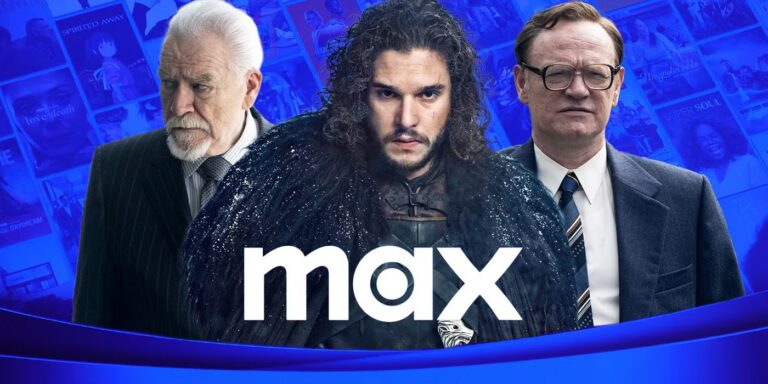
This shift has prompted networks and studios to adapt by launching their own streaming services or partnering with existing ones, hoping to retain their audience and revenue. For example, HBO launched HBO Max, while NBC Universal introduced Peacock. These platforms aim to attract users with unique content and programming, illustrating the competitive nature of the streamed entertainment market.
Future Prospects
Looking ahead, the future of streamed entertainment appears bright. With the ongoing advancements in technology, including faster internet speeds and improved streaming quality, the opportunities for content creators and consumption are expanding. Furthermore, the integration of AI and virtual reality into streaming platforms is expected to enhance the viewing experience, opening doors for innovative storytelling unlike anything we have seen before.
Conclusion
As we move further into 2023, the rise of streamed entertainment continues to redefine how we view and interact with media. For consumers, it means greater access to diverse content and the flexibility to watch what they want, when they want. For the industry, it poses both challenges and opportunities as traditional media adapts to changing preferences. Ultimately, the evolution of streamed entertainment is a trend that will significantly shape our cultural landscape for years to come.