Introduction to the Ophelia Painting
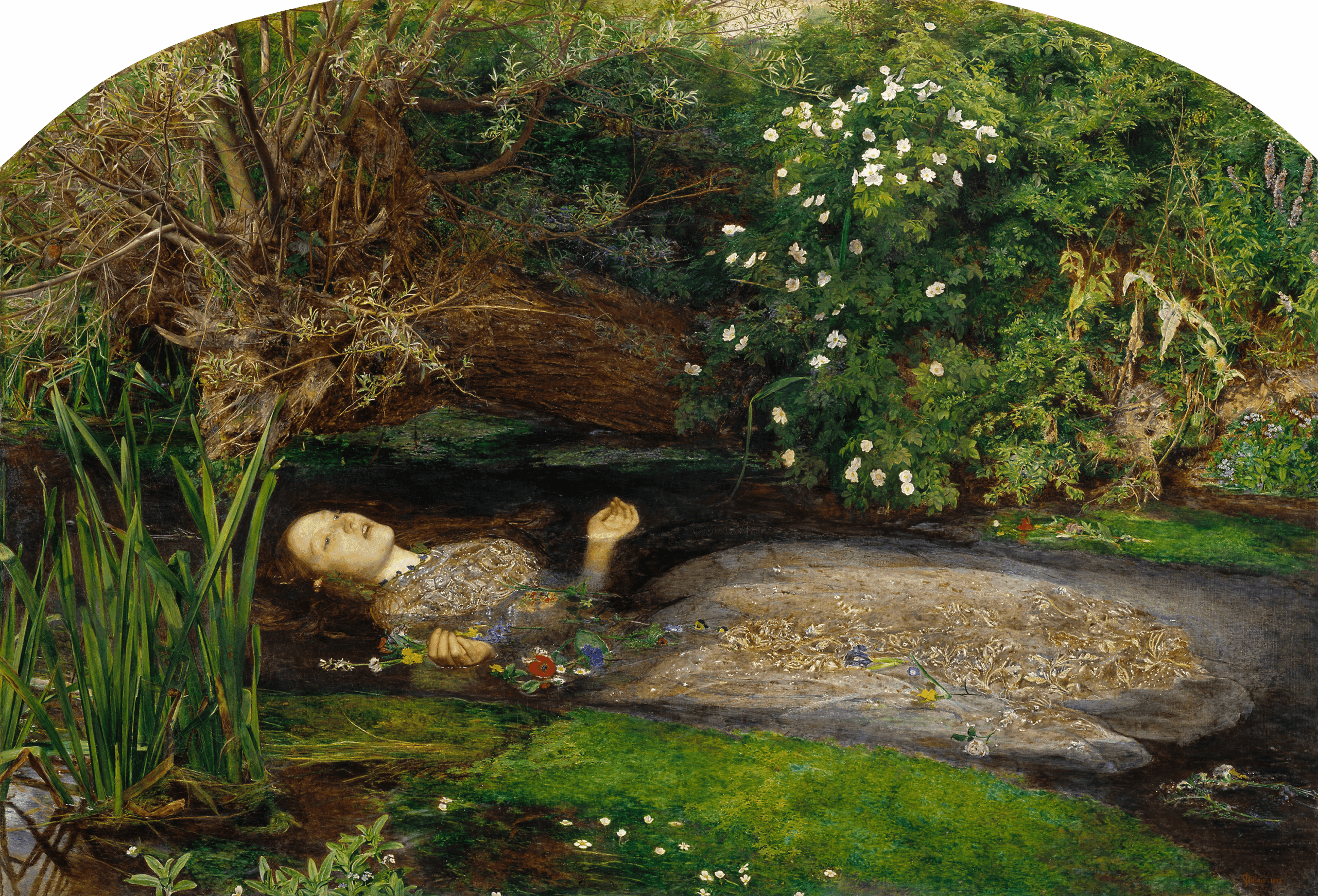
The ‘Ophelia’ painting, created by the Pre-Raphaelite artist John Everett Millais in 1851-1852, stands as a cornerstone of 19th-century British art. This iconic work is not only significant for its striking visual composition but also for its deep literary roots, referencing Shakespeare’s tragic character from ‘Hamlet’. The painting captures the moment Ophelia is submerged in a stream, surrounded by the ethereal beauty of nature, highlighting themes of love, loss, and madness.
Historical Context
Millais painted ‘Ophelia’ during a time when the Pre-Raphaelite Brotherhood was challenging traditional artistic conventions of the Victorian era. The Brotherhood sought to return to the vivid colour palettes and intricate details reminiscent of early Renaissance art, and Millais epitomised this movement through his vivid representations. The painting was inspired by both Shakespeare’s poignant text and the painter’s deep appreciation for the natural world, which he meticulously rendered in his works.
Artistic Techniques
‘Ophelia’ is particularly renowned for its incredible detail and the rich textures that create a lifelike representation of the scene. Millais employed a technique known as chiaroscuro, using strong contrasts between light and shadow to give depth and volume to the figures in the painting. The flowers surrounding Ophelia, each of which holds symbolic significance, were painted with careful attention and reflect Millais’ dedication to truth in nature. Each bloom not only enhances the painting’s beauty but also represents facets of Ophelia’s tragic narrative.
Reception and Legacy
Upon its completion, ‘Ophelia’ received mixed reviews but has since come to be regarded as one of Millais’ masterpieces and a defining work of its genre. Today, it resides in the Tate Britain gallery in London and attracts thousands of visitors worldwide. The painting has influenced countless artists and has become a symbol of the interplay between art and literature, demonstrating how visual storytelling can capture complex emotional experiences.
Conclusion
The Ophelia painting stands as a lasting testament to John Everett Millais’ genius and the broader Pre-Raphaelite movement. Its blend of natural beauty with tragic narrative invites viewers to explore their own interpretations of loss and the ephemeral quality of life. As contemporary art continues to evolve, the legacy of ‘Ophelia’ remains significant, reminding us of the timeless nature of artistic expression and the emotional depth that can be conveyed through paint on canvas.