Introduction
The tragic case of Noah Donohoe, a 14-year-old boy who went missing in June 2020 in Belfast, has continued to capture public attention and evoke widespread sympathy. Noah’s disappearance, followed by an extensive search operation and subsequent discovery of his body, raised numerous questions about the circumstances that led to this heartbreaking event. This story not only reflects the profound loss felt by his family and community but also underscores critical discussions regarding youth safety, mental health, and police investigation protocols.
Details of the Case
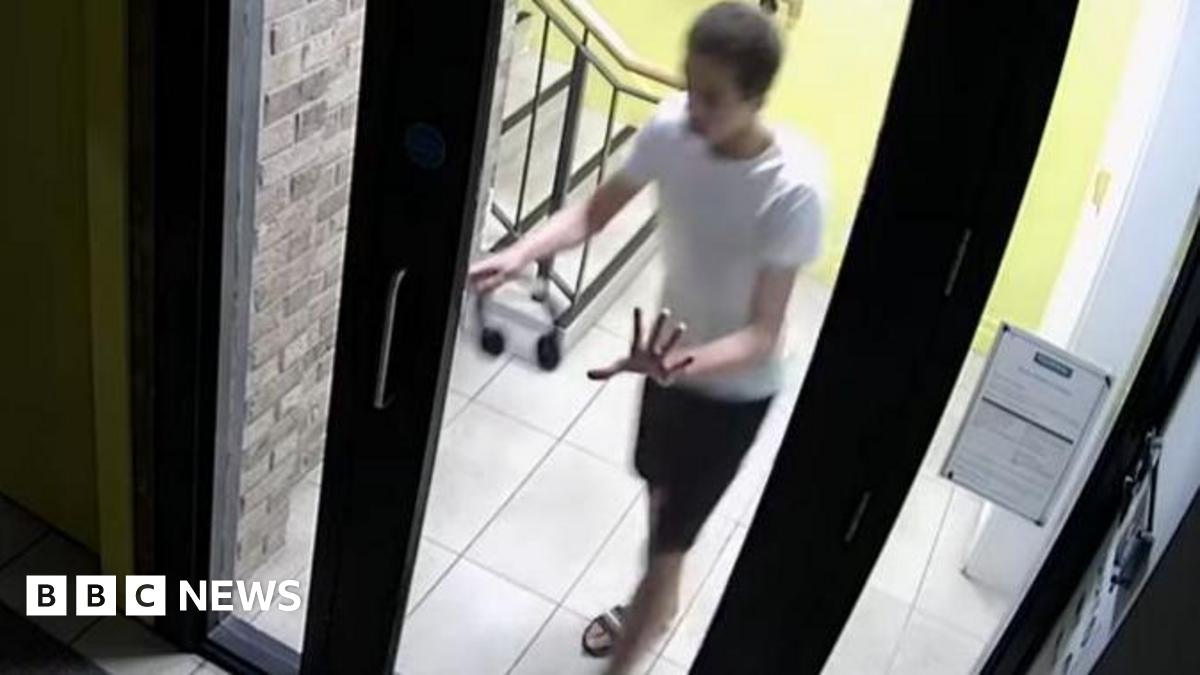
Noah Donohoe was last seen on the evening of June 21, 2020, while riding his bike in the area of the Ormeau Road in Belfast. His family reported him missing later that night, prompting an extensive search led by the PSNI (Police Service of Northern Ireland) which involved police, volunteers, and local residents. After several days of searching, Noah’s body was discovered on June 27 in a storm drain on the outskirts of Belfast. The circumstances surrounding his death have led to various speculations and considerable media coverage.
In the wake of his death, the investigation unfolded to potentially examine the factors leading up to Noah’s disappearance. Initial reports suggested that he had been at a friend’s house earlier that evening but left without informing anyone. This spurred community concern over young people’s mental health and wellbeing, raising awareness of the issues young people face today.
Community Response
In the months following the discovery of Noah’s body, the local community in Belfast rallied in support of his family. Vigils were held to honour his memory, and calls to improve mental health resources for young people gained momentum. As investigations continued, his story sparked discussions not only among local residents but also on social media platforms, leading to a national dialogue on the responsibility of society to protect and support its youth.
Conclusion
The Noah Donohoe case remains open, with ongoing inquiries into the circumstances surrounding his tragic death. The findings of the investigation, which are expected to be made public in the near future, could provide crucial insights and hold parties accountable for their roles in such incidents. For the residents of Belfast and across the United Kingdom, the case serves as a poignant reminder of the importance of vigilance regarding the safety and mental health of young individuals. Ultimately, it is hoped that Noah’s story will inspire systemic changes that enhance protective measures for youth, providing both support and guidance in an increasingly complex world.