Introduction
Malala Yousafzai, the Pakistani education activist and Nobel Prize laureate, remains a beacon of hope and a powerful voice for girls’ education worldwide. Her fight against the Taliban’s oppressive regime in Pakistan has not only highlighted the importance of education for girls but has also mobilised international efforts towards educational reform and gender equality. As we navigate the complexities of the 21st century, Malala’s work has become increasingly relevant, prompting discussions and actions around global education policies.
Recent Developments
In recent months, Malala has continued her advocacy, focusing on pressing global issues related to education. During a webinar held in October 2023, she called for greater investment in education, particularly in regions affected by conflict and instability. Citing an alarming report from the United Nations Educational, Scientific and Cultural Organization (UNESCO), which indicates that over 130 million girls worldwide are out of school, Malala urged world leaders to prioritise educational funding and support initiatives that empower girls.
Additionally, she was one of the prominent figures who addressed the Global Education Summit held in London, where leaders from various countries pledged nearly $4 billion towards education initiatives, especially in areas severely affected by the COVID-19 pandemic. Malala’s presence at the summit underscored her vital role in pushing global leaders to take concrete steps to meet educational needs.
Educational Initiatives Led by Malala
Through the Malala Fund, she has been dedicated to investing in education projects worldwide. The fund has recently expanded its reach into regions such as Afghanistan, Nigeria, and parts of Latin America, where girls face systemic barriers to education. The creation of local partnerships has been instrumental in the success of these initiatives, offering targeted resources and support.
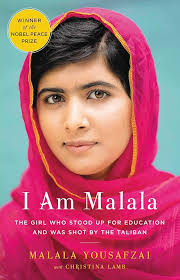
Moreover, Malala’s message extends beyond education—she advocates for the holistic development of girls through mentorship programs and grassroots activism. Her book, “I Am Malala,” continues to inspire young activists who view her as a role model for courage and resilience.
Conclusion
As Malala Yousafzai continues to champion educational equity, her commitment reflects the struggles faced by millions of girls worldwide. The importance of her advocacy cannot be overstated, as she not only brings attention to the challenges but also initiates tangible change through the Malala Fund and collaborations with global leaders. As we look ahead, Malala’s influence will be vital in shaping policies that ensure education becomes a universal right for all, fostering a future where every girl has the opportunity to learn and thrive.