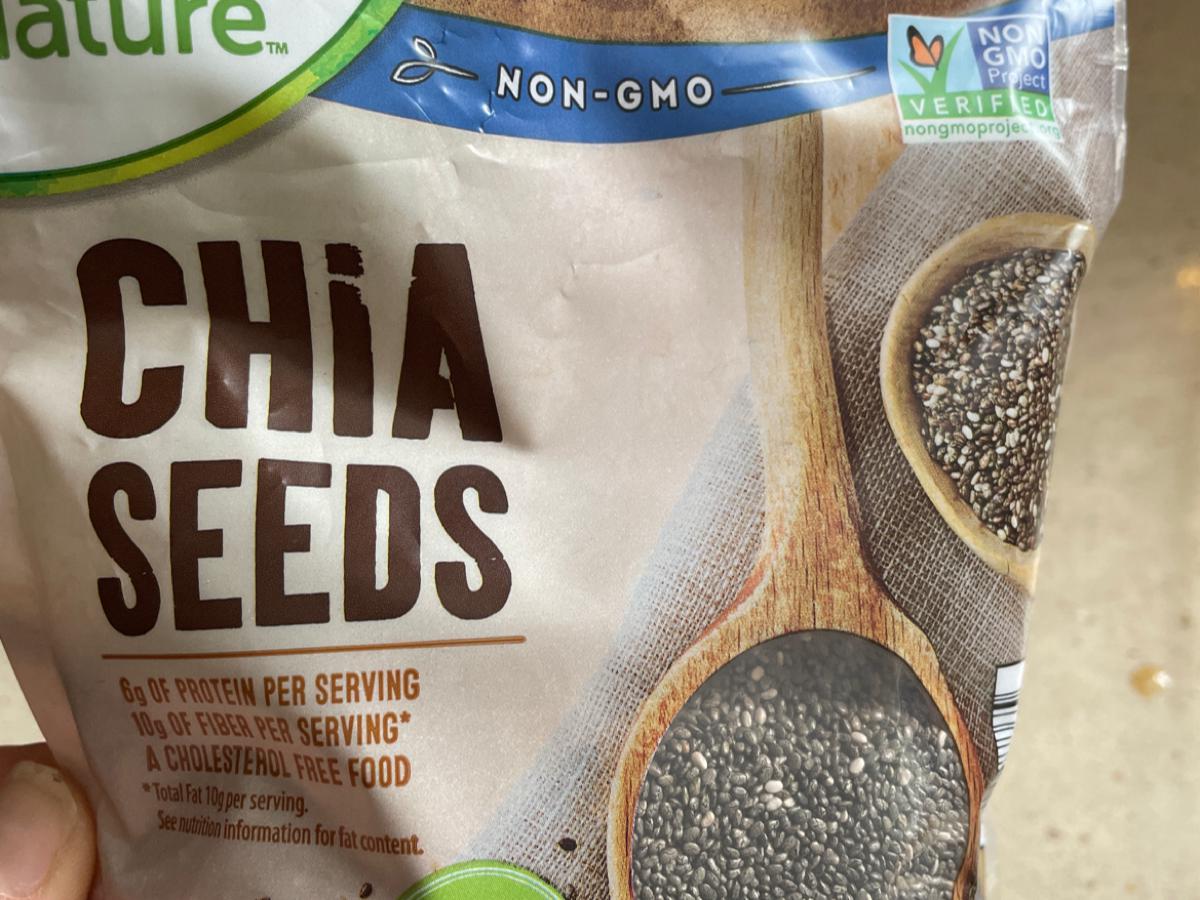
Introduction to Chia Seeds
Chia seeds have gained significant popularity in recent years, hailed for their impressive nutritional profile and numerous health benefits. Once a staple food for the ancient Aztecs and Mayans, chia seeds are now celebrated globally as a superfood. With a growing interest in health and wellness, understanding the value of chia seeds is more relevant than ever.
Nutritional Profile
Rich in omega-3 fatty acids, antioxidants, and essential minerals, chia seeds are tiny yet mighty. Just one ounce (28 grams) of chia seeds contains about 11 grams of fibre, 4 grams of protein, and a wealth of vital nutrients including calcium, magnesium, and phosphorus. Their high fibre content aids digestion and helps to maintain a healthy weight by promoting a feeling of fullness.
Health Benefits
Recent studies have highlighted several health benefits associated with chia seeds. These include:
- Heart Health: The omega-3 fatty acids in chia seeds have been linked to improved heart health, potentially lowering cholesterol and blood pressure.
- Weight Loss: Due to their high fibre content, chia seeds can absorb several times their weight in water, swelling and forming a gel-like substance that promotes satiety.
- Blood Sugar Control: Chia seeds may help stabilize blood sugar levels after meals, making them a suitable option for individuals with type 2 diabetes.
How to Incorporate Chia Seeds in Your Diet
Adding chia seeds to your diet can be simple and delicious. They can be sprinkled on yoghurts, blended into smoothies, or used as an egg substitute in vegan baking. Chia puddings made from soaking seeds in almond milk overnight have also become a trendy breakfast or dessert option.
Conclusion
With their myriad of health benefits and versatility in cooking, chia seeds are a worthy addition to anyone’s diet. As research continues to explore their potential health advantages, it is clear that chia seeds can play a significant role in promoting overall health and well-being. Integrating these tiny seeds into your meals can contribute not only to improved nutrition but also support long-term health.