Introduction
Nick Heyward, the lead singer and primary songwriter of the British band Haircut 100, has firmly established his place in the annals of pop music history since the early 1980s. His melodic hooks and distinctively upbeat sound resonated widely, making his work not only a staple of the era but also relevant to contemporary music lovers. As the music industry evolves, the impact of burgeoning pop stars like Heyward is worth reflecting upon, particularly given the resurgence of 80s nostalgia in today’s popular culture.
Early Life and Career
Born on May 20, 1961, in Harrow, London, Nick Heyward attended Art College in his youth, where he developed a passion for music. In 1980, he formed Haircut 100 along with fellow members, quickly gaining attention for their fresh sound and stylish aesthetic. Their debut album, “Pelican West,” released in 1982, featured hits such as ‘Love Plus One’ and ‘Fantastic Day,’ reaching number two on the UK Albums Chart. The band epitomised the exuberance of the New Wave scene, and their singles became iconic anthems of the decade.
Legacy and Influence
Despite Haircut 100 disbanding in 1984, Nick Heyward continued to make music as a solo artist. He released several albums, including “North of A Miracle” and “Postcards from Home,” showcasing his evolution as an artist while maintaining his signature pop sound. His solo work produced several hits, including ‘Kite’ and ‘Blue Hat for a Blue Day.’ Heyward’s knack for catchy lyrics and infectious melodies not only garnered commercial success, but also influenced subsequent generations of musicians.
Recent Developments
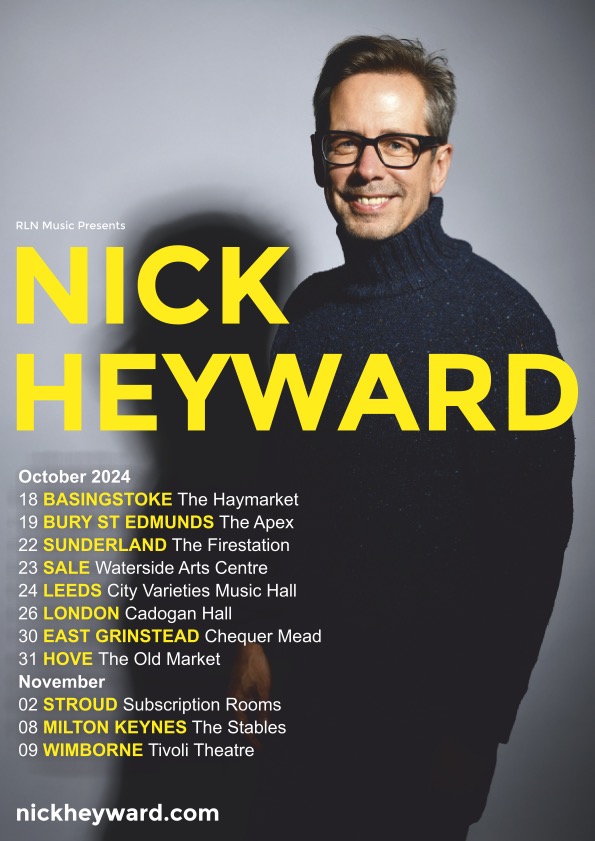
As of October 2023, Nick Heyward remains active in the music scene, celebrating over four decades in the industry. He recently announced a tour that highlights classic hits from both his Haircut 100 days and his solo career. This tour aims to rekindle the joy of live music after the pandemic-imposed hiatus, reflecting a collective yearning for connection through shared experiences. Fans have expressed excitement over the reunion, demonstrating Heyward’s enduring popularity and relevance in the hearts of listeners.
Conclusion
Nick Heyward’s contributions to pop music continue to resonate today, reminding audiences of the joy, creativity, and energy of the 1980s. His journey from a young musician expressing himself in London to a celebrated pop icon encapsulates the evolution of music over the decades. As he embarks on new projects and tours, the anticipation surrounding his appearances reinforces the timeless nature of good pop music—an art form that thrives on nostalgia as much as it does on innovation. For current listeners and old fans alike, Nick Heyward’s legacy is a testament to the power of music to captivate and inspire across generations.