Introduction
The Mormon Church, officially known as The Church of Jesus Christ of Latter-day Saints (LDS Church), plays a significant role in the spiritual and cultural fabric of the United States and many parts of the world. With over 16 million members, the Church emphasizes community values, strong family structures, and humanitarian efforts, making it a vital subject of discussion in contemporary society. Recent events and changes in church policies continue to impact both believers and the broader community.
Key Beliefs and Practices
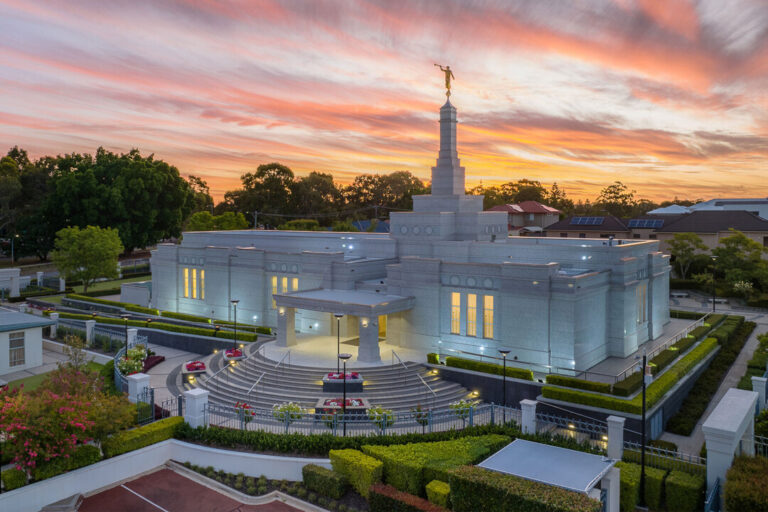
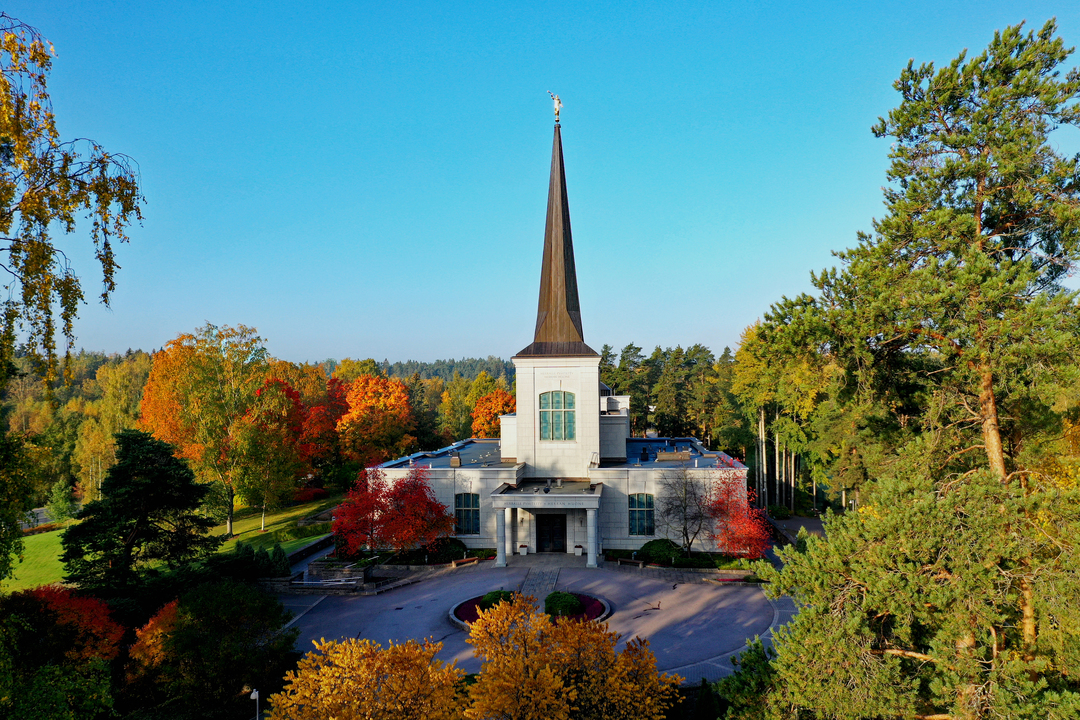
The core teachings of the Mormon Church are based on the Bible and the Book of Mormon, which adherents believe to be another testament of Jesus Christ. Members engage in various practices, including temple worship, missionary work, and community service. One of the most significant beliefs is the concept of continuing revelation, which means that church leaders receive guidance from God to adapt to modern societal needs.
Recent Developments in the Church
In recent years, the Mormon Church has been increasingly visible in social and political discussions, particularly regarding issues of LGBTQ+ rights and race relations. In 2021, the church announced a revision of its policy on same-sex relationships, expressing a more inclusive stance while maintaining traditional teachings about marriage. This followed a period of criticism from both within and outside the church concerning their previous positions on LGBTQ+ issues.
Additionally, the church has been working actively to address its historical narrative regarding race, specifically concerning its past priesthood ban on men of African descent, which lasted until 1978. Efforts have been made to promote racial equality and invite dialogue on sensitive issues, reflecting a shift towards a more inclusive and understanding approach.
Conclusion
The Mormon Church is undergoing a transformative period marked by significant shifts in policies and public perception. As the church navigates modern challenges, including societal shifts and increasing calls for inclusivity, its ability to reconcile traditional beliefs with contemporary expectations will be crucial. Engaging with the community and fostering dialogue can serve to enhance understanding and respect among differing beliefs. Moving forward, the church’s approach may set a precedent for other religious organisations faced with similar societal changes, impacting millions of lives globally.