The Importance of the Moon
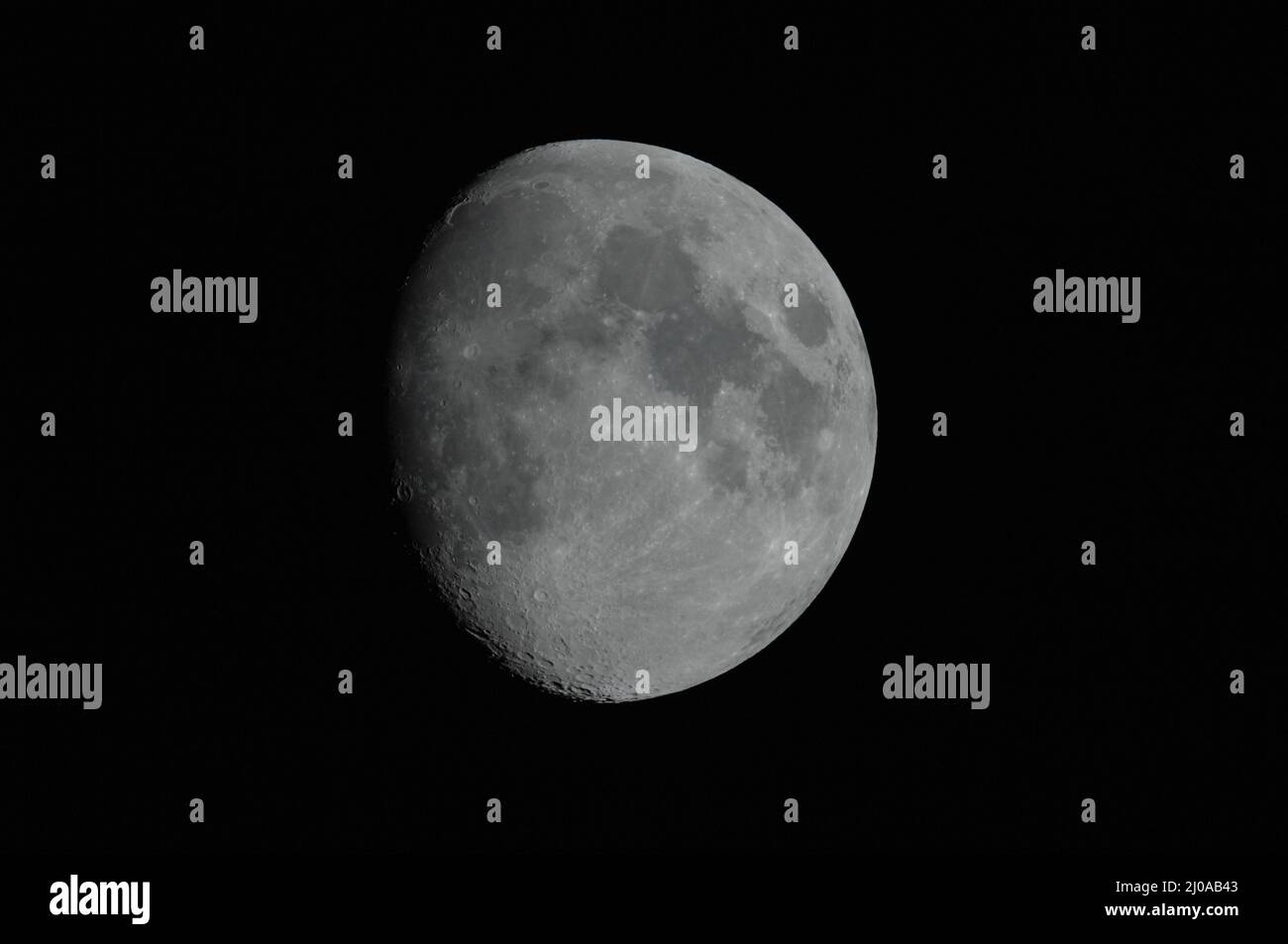
The Moon, Earth’s only natural satellite, has captivated human beings for millennia. With a diameter of 3,474 km, it is the fifth largest moon in the solar system and plays a crucial role in sustaining life on Earth. Its gravitational influence is vital for stabilising our planet’s axial tilt, leading to a relatively stable climate. Furthermore, the Moon has significant cultural and scientific significance, serving as a source of inspiration for art and literature across centuries.
Recent Events in Lunar Exploration
In recent months, interest in lunar exploration has surged. NASA announced plans for the Artemis program, aimed at returning humans to the Moon by 2024. This ambitious project includes landing the first woman and the next man on the Moon, specifically at the lunar South Pole, a region rich in resources yet unexplored. In addition, private companies like SpaceX and Blue Origin are actively planning lunar missions, further driving the quest to understand our celestial neighbour.
International collaborations have also emerged, such as the Lunar Gateway project, a planned space station that will orbit the Moon. It aims to serve as a staging point for lunar landings, research, and other missions, including potential trips to Mars. Countries like India and China have made notable progress in lunar missions, with India’s Chandrayaan-3 successfully landing on the Moon in August 2023 and China’s Chang’e-7 mission preparing for its upcoming launch.
The Significance for the Future
The Moon holds great promise for future scientific research and potential resource utilisation. Water ice has been discovered at the lunar poles, which could be vital for sustaining human life during long-term lunar exploration and could also be converted into fuel for spacecraft. As nations and companies ramp up their lunar efforts, the Moon could serve as a stepping stone for humanity’s journey to Mars and beyond.
In conclusion, the exploration of the Moon is more than just an endeavour to step on another celestial body; it is an essential chapter in humanity’s quest for knowledge and survival. As exploration technologies evolve, the Moon may soon become a hub for scientific discovery and potential colonisation, shaping our future in the cosmos. For readers, staying informed of lunar developments will not only broaden understanding of space but also heighten excitement for these monumental advancements in human history.