Introduction
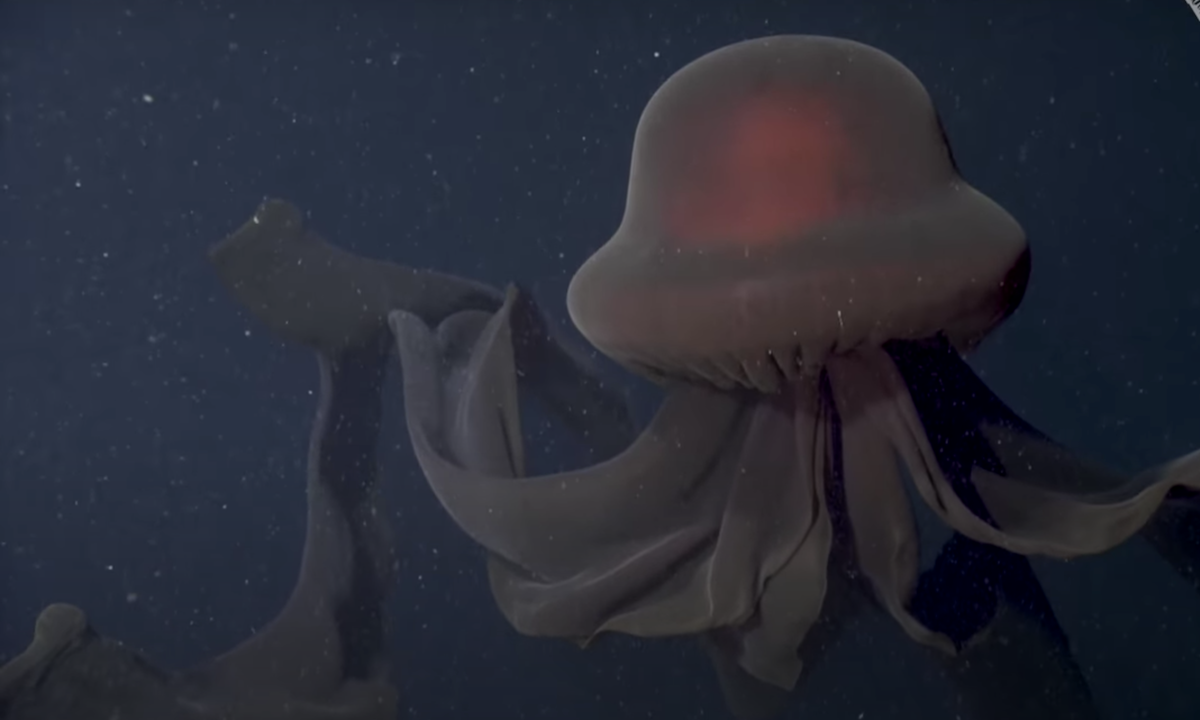
The giant phantom jellyfish, known scientifically as Stygiomedusa gigantea, is one of the ocean’s most ethereal and enigmatic creatures. As researchers continue to explore the depths of the ocean, sightings of this elusive jellyfish have been on the rise. Understanding its ecological role and biology is vital, as it represents the mysterious and largely uncharted biodiversity of our seas.
Recent Sightings and Research
Recently, marine biologists from several research institutions have reported a series of sightings of the giant phantom jellyfish along the coastlines of New England and the North Atlantic. This unusual phenomenon has sparked intrigue among scientists, who are eager to learn more about the jellyfish’s feeding habits and population dynamics.
The giant phantom jellyfish is known to inhabit deep waters, typically at depths ranging from 1,000 to 3,600 feet. With its transparent bell that can span up to 1.5 metres in diameter and its trailing tentacles that can exceed 30 metres, the creature appears ghostly in its natural habitat. Its unique morphology allows it to thrive in the ocean’s dark depths, where it primarily preys on smaller gelatinous animals.
Ecological Significance
Understanding the giant phantom jellyfish’s ecological role is crucial in the context of marine ecosystems. Jellyfish, in general, are considered important indicators of ocean health. Changes in their populations can indicate shifts in marine environments, often driven by factors such as climate change, overfishing, and habitat destruction.
Research has shown that the health of jellyfish populations can impact the broader marine food web. For instance, as jellyfish thrive, they can outcompete fish larvae for food, which may lead to declining fish populations, impacting fisheries and food security for coastal communities.
Conclusion
The giant phantom jellyfish continues to captivate scientists and ocean enthusiasts alike. As marine research evolves, it becomes increasingly imperative to monitor and understand these enigmatic creatures. With ongoing climate changes and their potential impacts on marine ecosystems, the insights gained from studying the giant phantom jellyfish could provide invaluable information. Protecting our oceans and their inhabitants, like the giant phantom jellyfish, will ensure the longevity of marine biodiversity and resources for future generations.



