Introduction
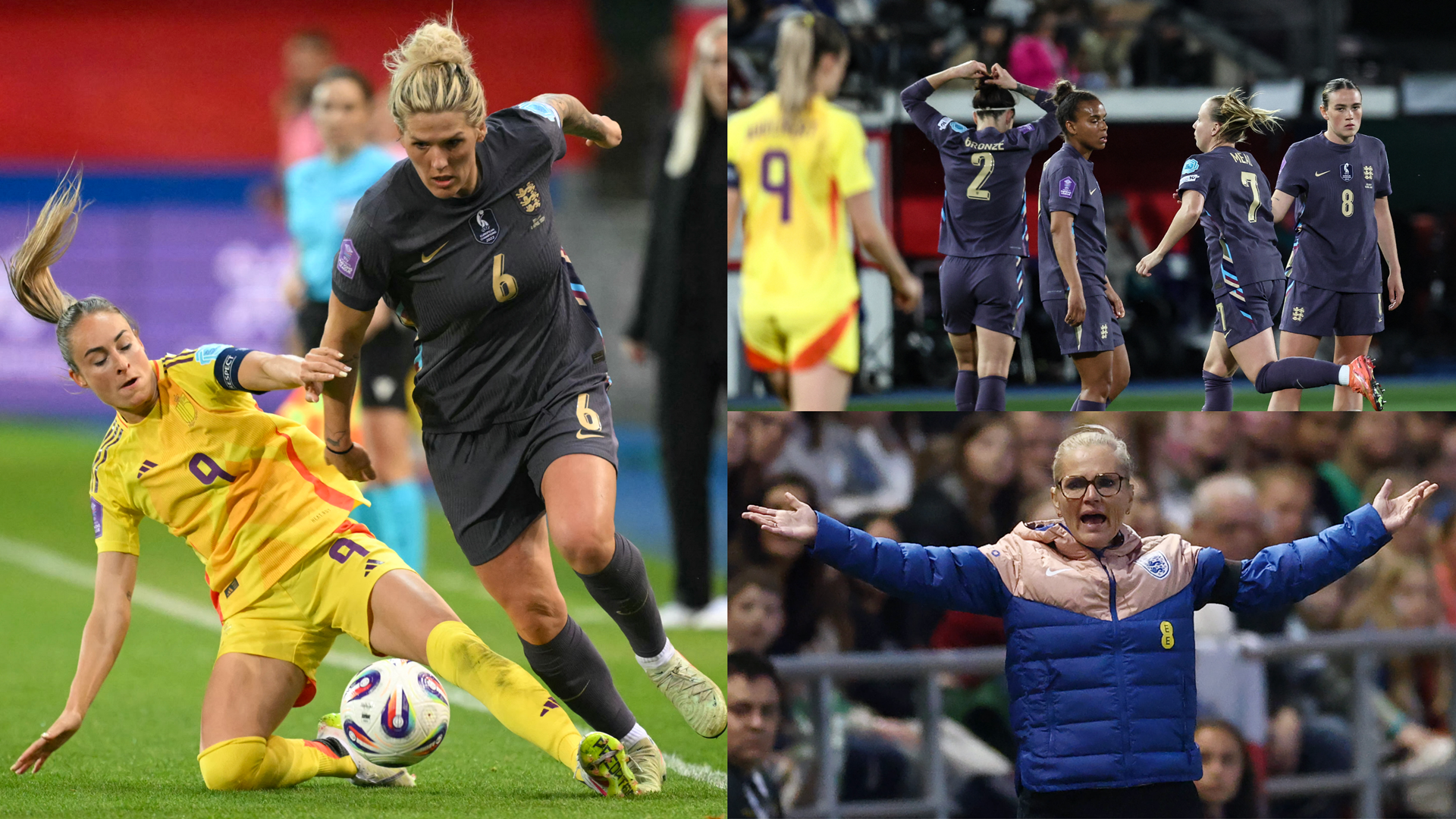
The Lionesses, England’s women’s national football team, have made history by winning their first UEFA Women’s Championship title in 2022. This significant achievement not only showcases the team’s dedication and skill but also marks a pivotal moment for women’s football in the United Kingdom and beyond. The Lionesses’ triumph is indicative of the growing recognition and support for women’s sports, inspiring a new generation of female athletes.
The Journey to the Championship
The Road to Wembley was paved with determination for the Lionesses as they dominated throughout the tournament, showcasing remarkable teamwork and tactical prowess. Their campaign began with a strong performance in group stages, where they secured impressive victories against Austria and Northern Ireland, before defeating Spain in a nail-biting quarter-final match. The semi-final was equally exhilarating, as they overcame Sweden with a score of 4-0, displaying their attacking strength and defensive resilience.
The Final Showdown
The final, held at Wembley Stadium in July 2022, saw the Lionesses face off against Germany, a historical rival. With a packed crowd supporting them, the Lionesses delivered an outstanding performance that kept fans on the edge of their seats. Ella Toone’s stunning goal in the 62nd minute ignited the crowd, and although Germany equalised shortly after, Chloe Kelly’s decisive goal in extra time sealed the Lionesses’ victory, leading to a 2-1 scoreline. This win not only crowned them champions but also brought immense pride to the nation.
The Impact of the Victory
The Lionesses’ victory has far-reaching implications for women’s football in the UK. It has raised the profile of the women’s game significantly, with increased media attention, sponsorship deals, and attendance at matches. Additionally, it has sparked conversations around investment in women’s sports at all levels, from grassroots initiatives to professional leagues. The success of the Lionesses is anticipated to inspire more young girls to participate in football, contributing to a more balanced representation in sports.
Conclusion
The Lionesses’ historic win in the UEFA Women’s Championship represents more than just a trophy; it signifies a cultural shift towards recognising the potential of women in sports. As they continue to inspire future generations, the Lionesses’ legacy will undoubtedly influence how women’s football is perceived, fostering greater inclusivity and support. As fans look ahead, there is optimism that the Lionesses will build on this success and continue to break barriers within the sport.