Introduction
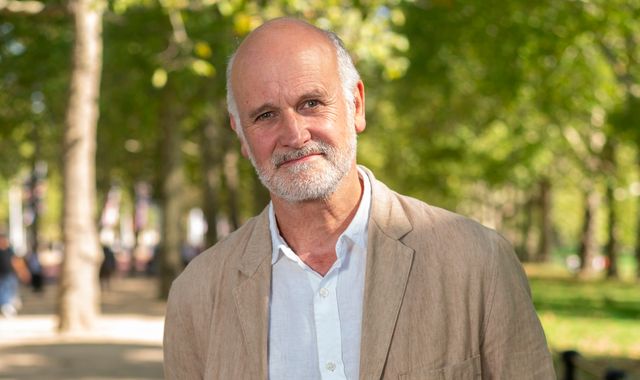
Martin Jennings is a name synonymous with modern sculpture in the UK. Renowned for his thoughtful and evocative works, Jennings has made a significant mark in the world of contemporary art. His sculptures often reflect deep historical and cultural narratives, making them relevant in discussions about national identity and memory. As the world grapples with issues of historical representation, understanding Jennings’s contributions becomes increasingly important.
Notable Works and Recognitions
Among Jennings’s most notable works is the statue of renowned British writer Philip Larkin, unveiled in Hull in 2010. The piece captures Larkin’s contemplative nature and pays homage to his lasting influence on English literature. Jennings’s attention to detail and his skill in portraying human emotion through material have garnered acclaim from critics and art lovers alike.
In 2018, Jennings contributed to the national conversation surrounding political representation with his statue of Sir Winston Churchill, which currently stands in Parliament Square, London. This work not only speaks to Churchill’s legacy but also engages with contemporary debates about historical figures and their complex implications. Jennings’s ability to bridge past and present through his art is a hallmark of his career.
Current Events and Exhibitions
As of late 2023, Martin Jennings is preparing for a major retrospective exhibition set to open at the Tate Britain in early 2024. The exhibit promises to showcase a comprehensive collection of his work, including sketches, models, and finished sculptures. This retrospective will allow visitors to explore Jennings’s evolution as an artist over the past three decades, revealing the profound philosophical inquiries that drive his practice.
Furthermore, Jennings has been actively participating in community art projects aimed at integrating sculpture within urban landscapes. His recent collaboration with local schools in Kent aims to foster an appreciation of sculptural art among the younger generation and to encourage them to engage creatively with their environment.
Conclusion
Martin Jennings’s work is not only artistically significant but also culturally relevant. As discussions around historical narratives and representation continue to evolve, his sculptures serve as a vital touchpoint for these conversations. The upcoming exhibition at Tate Britain will undoubtedly attract attention from art enthusiasts and new audiences alike, underscoring Jennings’s role in the contemporary art scene. As we look forward to his future contributions, it’s clear that Jennings’s sculptural dialogue with history and identity will continue to resonate in the years to come.