Introduction
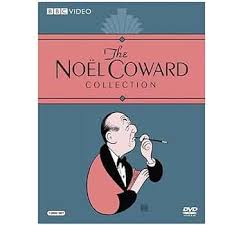
Noel Coward, the eminent English playwright, composer, actor, and director, remains a towering figure in 20th-century theatre. Renowned for his sharp wit and sophisticated dialogue, Coward’s works have captivated audiences for decades. His importance in the theatrical community cannot be overstated, bridging the gap between the early 20th century’s theatrical traditions and contemporary performances. As we celebrate the continuing influence of his works, it is essential to reflect on his achievements and the relevance of his themes in today’s society.
A Prolific Career
Born on December 16, 1899, in Teddington, England, Coward showed an early aptitude for the arts. He wrote his first play, “The Shining Hour,” at the age of 18. Throughout his career, he produced an impressive body of work, including iconic productions such as “Blithe Spirit,” “Hay Fever,” and “Private Lives,” often blending humorous elements with themes of love, pleasure, and societal norms.
One of Coward’s significant contributions to theatre was his ability to infuse his works with a modern sensibility while addressing timeless themes. His characters often embodied the complexities of modern life, navigating love, loss, and the pursuit of happiness against a backdrop of social change. Notably, Coward’s portrayal of the British upper class, alongside his pointed critiques of social conventions, resonated with audiences during and after the tumultuous eras of the World Wars.
Recent Events and Revival of Interest
In recent years, there has been a resurgence of interest in Coward’s work. Productions of his timeless plays are being revived in theatres across the UK and internationally. Notable recent adaptations include a reinterpretation of “Blithe Spirit” that made waves during the West End revival in 2021. Furthermore, Coward’s songs have also seen a revival, with contemporary performers paying homage to his musical talents.
In 2023, the Noel Coward Foundation announced a series of initiatives aimed at preserving Coward’s legacy, including digitising his manuscripts and creating educational programs in schools to introduce students to his works. Such efforts highlight the enduring relevance of Coward’s contributions to the performing arts.
Conclusion
Noel Coward’s enduring impact on theatre and the performing arts makes him a significant figure whose works continue to thrive. As we look to the future, the ongoing revivals of his plays and songs not only celebrate his genius but also prompt reflections on the societal issues he so keenly observed. His unique blend of humour and poignancy remains relatable, ensuring that new generations can appreciate and learn from his masterpieces. For theatre enthusiasts and scholars alike, Noel Coward is not merely a playwright of the past but a beacon for the future of creative expression.