Introduction
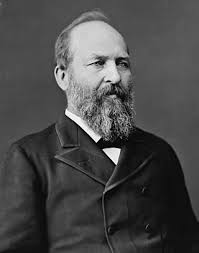
James Garfield, the 20th President of the United States, is a significant yet often overlooked figure in American history. His brief presidency, which lasted only from March 4, 1881 until his assassination in September of the same year, came during a tumultuous period in the nation’s development. His life and tragic end highlight the challenges of the time, including political corruption and civil service reform, making his story relevant today as discussions on governance and ethics continue to shape American society.
Early Life and Career
Born on November 19, 1831, in a log cabin in Moreland Hills, Ohio, Garfield rose from humble beginnings to become one of America’s prominent political figures. He was educated at Williams College in Massachusetts, after which he became a teacher and later a preacher before serving in the Ohio State Senate. Garfield’s military service during the Civil War, where he earned the rank of major general, helped catapult him into the political realm, ultimately leading to his election to Congress in 1863.
Presidency and Major Policies
James Garfield was nominated for the presidency by the Republican Party in 1880, amidst significant factionalism within the party. His election was marked by intense competition and a focus on civil service reform. In office, Garfield sought to reduce political corruption and supported the advancement of civil rights for African Americans. He appointed several individuals based on merit rather than political favoritism, which angered some party insiders.
Assassination and Aftermath
Garfield’s presidency was tragically cut short when he was shot by Charles Guiteau, a disgruntled office seeker, on July 2, 1881. The president survived for several weeks, during which time he became a national symbol of the need for reform in the political system. He finally succumbed to his injuries on September 19, 1881. Garfield’s assassination drew attention to the severe issues of patronage in American politics and ultimately led to the Pendleton Civil Service Reform Act of 1883, which aimed to establish a merit-based system for federal employment.
Conclusion
James Garfield’s presidency may have been short-lived, but his legacy continues to resonate in American politics. His commitment to ethical governance and civil service reform serves as an enduring reminder of the need for integrity in leadership. Looking to the future, Garfield’s life urges citizens to advocate for a government that reflects fairness and justice while honoring the memory of those who serve. Understanding the complexities of his presidency can provide valuable lessons for contemporary political discussions and reforms.