Introduction
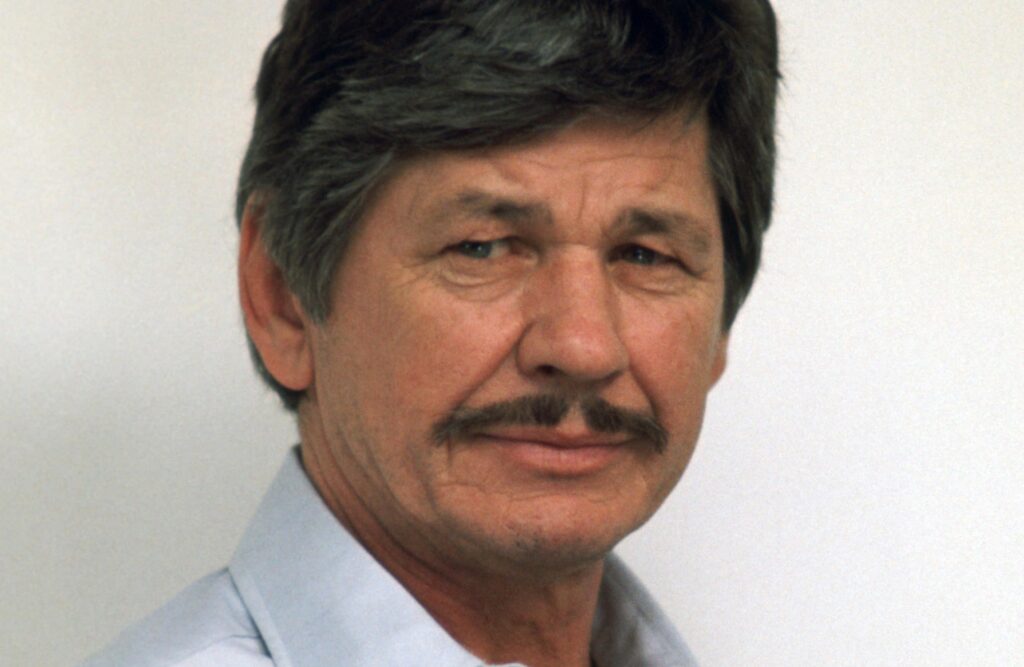
Charles Bronson, born Michael Gordon Peterson, is arguably the UK’s most infamous prisoner, whose life story has drawn both fascination and outrage. He is known for his violent behavior, numerous prison incidents, and attempts at rehabilitation through art. His life serves as a controversial mirror to discussions about prison reform, mental health, and the criminal justice system in the UK.
Life and Criminal Background
Born in 1952 in Luton, England, Bronson was first incarcerated in 1974 for armed robbery. Since then, he has spent a high proportion of his life in solitary confinement due to his erratic behaviour and assaults on prison staff and inmates alike, most notably leading to his nickname, “the Most Dangerous Man in Britain”. Overall, Bronson has been convicted of multiple offences and has spent over 47 years in prison, including 34 years in solitary confinement.
Artistic Pursuits
Despite his violent reputation, Bronson has channelled his energy into artistic pursuits. He began painting while in prison, and his works have gained a level of recognition, with sales reported in the thousands. His art often features themes of freedom, captivity, and his surreal interpretations of life behind bars. This artistic outlet has been framed by some as a form of therapy, suggesting that creativity has provided him with an alternative focus amid the harsh prison environment.
Shift in Public Perception
In recent years, there has been a notable shift in the public’s perception of Charles Bronson. Debates surrounding his mental health and the prison system’s treatment of violent offenders have intensified. In 2021, his life rights were acquired for a biopic, further cementing his status in popular culture. The film promises to explore not only his misdeeds but also his personal struggles and regrets, providing a more nuanced portrait of a man often dismissed as solely a criminal.
Conclusion
Charles Bronson remains a polarising figure in British society. His life story reflects crucial issues within the justice system, particularly concerning the treatment of mental health in prison populations. As discussions around criminal justice reform, rehabilitation, and mental health services continue, Bronson’s case serves as a significant case study. The narratives surrounding him will likely evolve as society grapples with the complexities of crime, punishment, and the human condition.