Introduction
Alec Guinness, a name synonymous with cinematic brilliance, left an indelible mark on the film industry with his extraordinary talent and diverse roles. Born on April 2, 1914, in Maida Vale, London, Guinness became one of the most revered actors of his time, gaining recognition for both his film and theatre performances. His unique ability to portray a wide range of characters, from comedic to dramatic roles, made him a beloved figure among audiences and earned him critical acclaim.
Early Life and Career
Guinness’s journey to stardom began after his education at the Royal Academy of Dramatic Art (RADA). He first gained prominence in the 1940s with his performance in the film adaptation of George Orwell’s ‘Nineteen Eighty-Four.’ However, it was his role in David Lean’s classic ‘Brief Encounter’ (1945) that solidified his status as a leading actor. Over the next two decades, Guinness starred in a plethora of successful films, including ‘The Bridge on the River Kwai’ (1957), for which he received an Academy Award for Best Actor.
Iconic Roles and Achievements
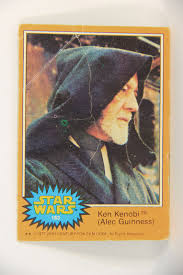
Guinness’s versatility truly shone throughout his career. He played multiple characters in the classic comedy ‘Kind Hearts and Coronets’ (1949), which showcased his exceptional skill in embodying diverse personas. His portrayal of Obi-Wan Kenobi in George Lucas’s ‘Star Wars’ saga provided a new generation with a familiar face in the world of science fiction, further establishing his legacy. Guinness was not just limited to the screen; he also had a considerable career on stage, notably in plays like ‘Hamlet’ and ‘The Elephant Man.’
In recognition of his contributions to film and theatre, Guinness was appointed a Commander of the Order of the British Empire (CBE) in 1955 and later received a knighthood in 1969. His accolades included two Academy Awards, a BAFTA Award, and a Golden Globe, among many others.
Conclusion
Alec Guinness passed away on August 5, 2000, but his contributions to the performing arts continue to resonate. As film enthusiasts revisit his work, they are reminded of his unparalleled talent and the depth he brought to every role. The impact of his performances is evident in the continued appreciation for his films and the inspiration he provided to future generations of actors. As the 21st century progresses, the legacy of Alec Guinness remains a pivotal chapter in the history of cinema, prompting us to remember and celebrate the artistry that defined his storied career.