Introduction
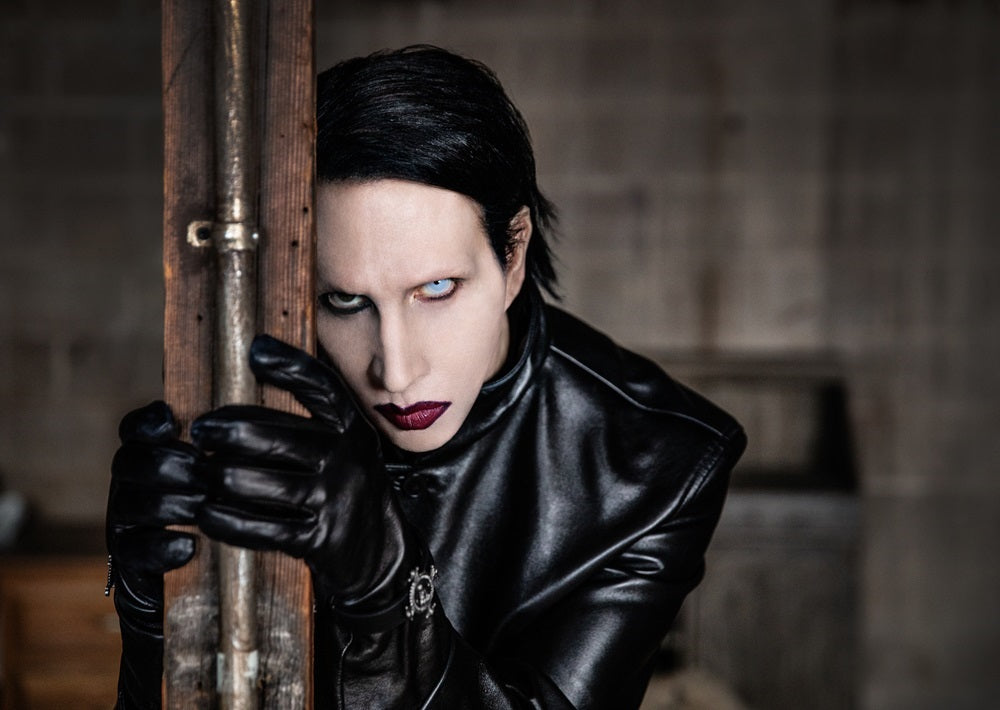
Marilyn Manson, the iconic figure in the music industry, has long been a subject of fascination and contention. Known for his provocative style and controversial persona, Manson’s influence transcends music, impacting fashion, art, and pop culture. His recent legal and personal battles have brought renewed scrutiny to his career, making the discussion of his life and actions particularly relevant.
Career Overview
Born Brian Hugh Warner on January 5, 1969, in Canton, Ohio, Manson adopted his stage name by combining the names of actress Marilyn Monroe and cult leader Charles Manson. He gained fame in the 1990s with hits like “The Beautiful People” and albums such as “Antichrist Superstar.” Manson quickly became synonymous with shock rock, pushing the boundaries of performance art with elaborate stage shows that often featured disturbing imagery.
Controversies and Legal Issues
Throughout his career, Manson has faced significant controversies. His lyrics and performances have sparked debates over the influence of music on youth culture and morality. However, recent allegations from multiple women have surfaced, including charges of abuse, leading to a broader examination of his conduct both on and off the stage. In 2021, actress Evan Rachel Wood accused Manson of abuse, triggering a series of public responses and a broader movement against abusive behaviour in the entertainment industry.
Public and Industry Reaction
The response to these allegations has been swift, with various industry figures and organisations assessing their relationships with Manson. Manson’s record label, Loma Vista Recordings, announced they would stop promoting his music following the allegations. Additionally, he has faced several lawsuits, including those regarding claims of sexual assault. These events have ignited discussions about accountability in the artistic community, as fans and fellow creators reflect on supporting artists whose actions may conflict with their public personas.
Conclusion
The story of Marilyn Manson serves as a reminder of the complexities within artistic expression, the responsibilities of public figures, and the expectations of accountability. As Manson navigates the fallout from these controversies, his future in the music industry remains uncertain. While he has maintained a loyal fan base, the ongoing discussions about his actions and their implications for culture and music will undoubtedly shape his legacy. For many, the question remains: can an artist’s profound influence endure when overshadowed by serious allegations? As this situation develops, it will be crucial for fans and industry stakeholders alike to consider their perspectives on the intersection of art and ethics.