Introduction
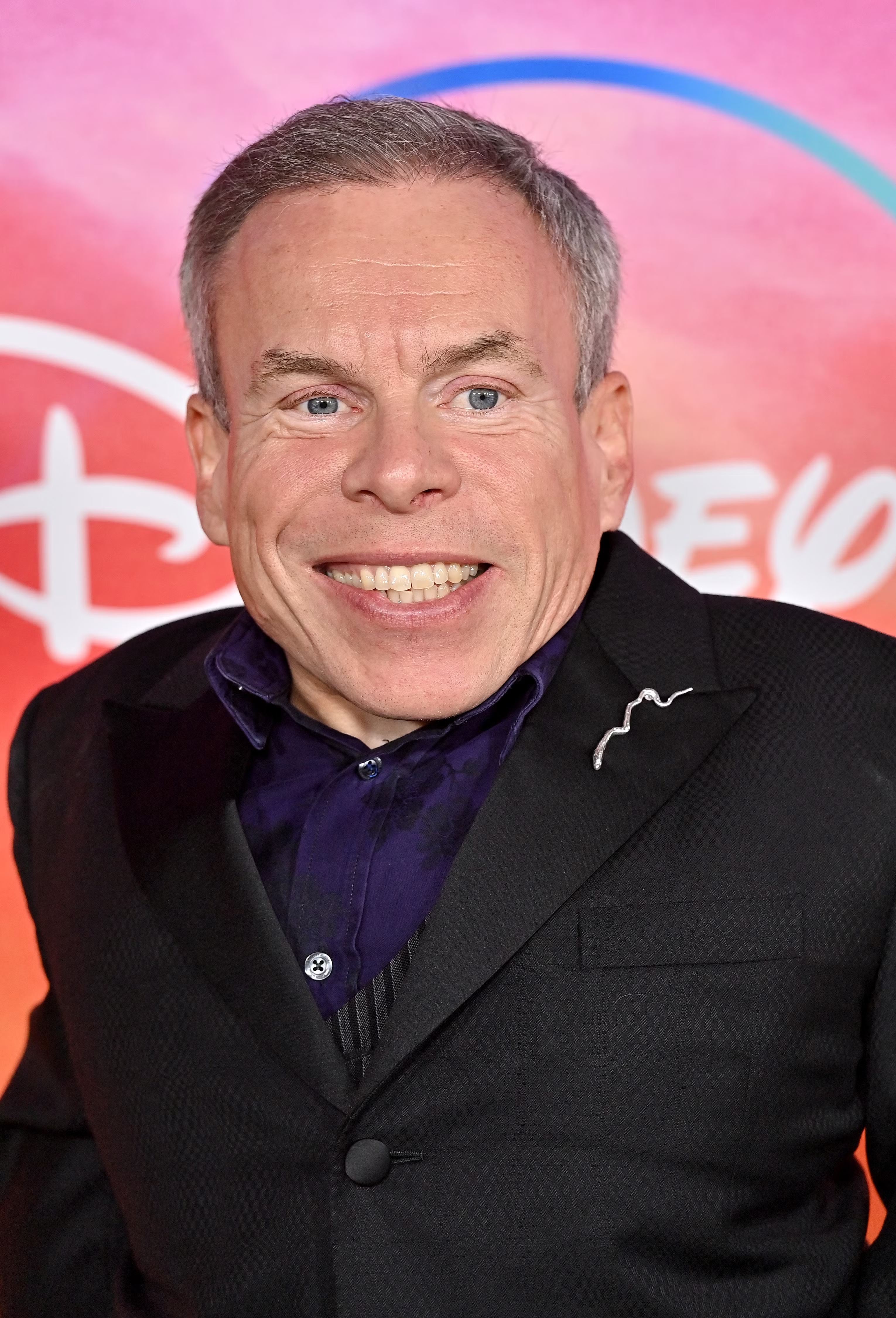
Warwick Davis, renowned for his expansive work in film and television, continues to capture the hearts of audiences around the world. Known for his roles in iconic franchises such as “Star Wars” and “Harry Potter”, Davis has not only showcased his brilliant acting skills but has also become an inspiring figure in advocating for representation of individuals with dwarfism in the entertainment industry. His contributions have made him a beloved character in Hollywood, bringing awareness and breaking down barriers.
Career Highlights
Davis was born on February 3, 1970, with a form of dwarfism known as achondroplasia, which he has often cited as a challenge that shaped his resilience and passion for performing. He began his acting career at a young age, appearing as Wicket the Ewok in “Star Wars: Episode VI – Return of the Jedi” (1983). This role not only launched his career but also established him as a skilled actor in a time when representation for people with disabilities was sparse.
Throughout the years, Davis has starred in numerous projects, including his memorable role as Professor Flitwick in the “Harry Potter” series. His work in these major film franchises solidified his place in cinema history and showcased his versatility as an actor. Beyond acting, Davis is known for his comedic talent and has hosted various television shows, including “Celebrity Squares” and “Weekend Escapades”.
Recent Developments
In recent years, Warwick Davis has continued to be active in the industry while also using his platform to promote inclusivity and awareness. His involvement in projects like the Disney+ series “Willow”, which reboots the beloved 1988 film in which he originally starred, highlights his enduring relevance in the entertainment world. The series has rekindled fans’ interest in the narrative and opened doors for new stories that include diverse characters.
Moreover, Davis has been a strong advocate for the rights of disabled performers, participating in campaigns and events aimed at elevating the conversation around representation in filmmaking. With the industry gradually becoming more inclusive, his voice remains a significant part of the dialogue.
Conclusion
Warwick Davis’ career is a testament to the power of perseverance and talent in overcoming obstacles. His journey not only reflects his individual achievements but also serves as a beacon of hope and representation for those with disabilities in the arts. As he continues to take on new roles and initiatives, audiences can expect Davis to remain a prominent figure in both film and advocacy. With his ongoing projects, it will be exciting to see how he evolves and what new frontiers he will explore in the coming years.