Introduction
The multifaceted Rosie O’Donnell remains a pivotal figure in the entertainment industry, known not only for her comedic brilliance and acting prowess but also for her passionate advocacy on various social issues. As a prominent television personality, she has influenced popular culture while also engaging in advocacy for mental health, LGBTQ+ rights, and various charitable causes. This article will explore her journey, career highlights, and significant contributions to society.
Early Life and Career
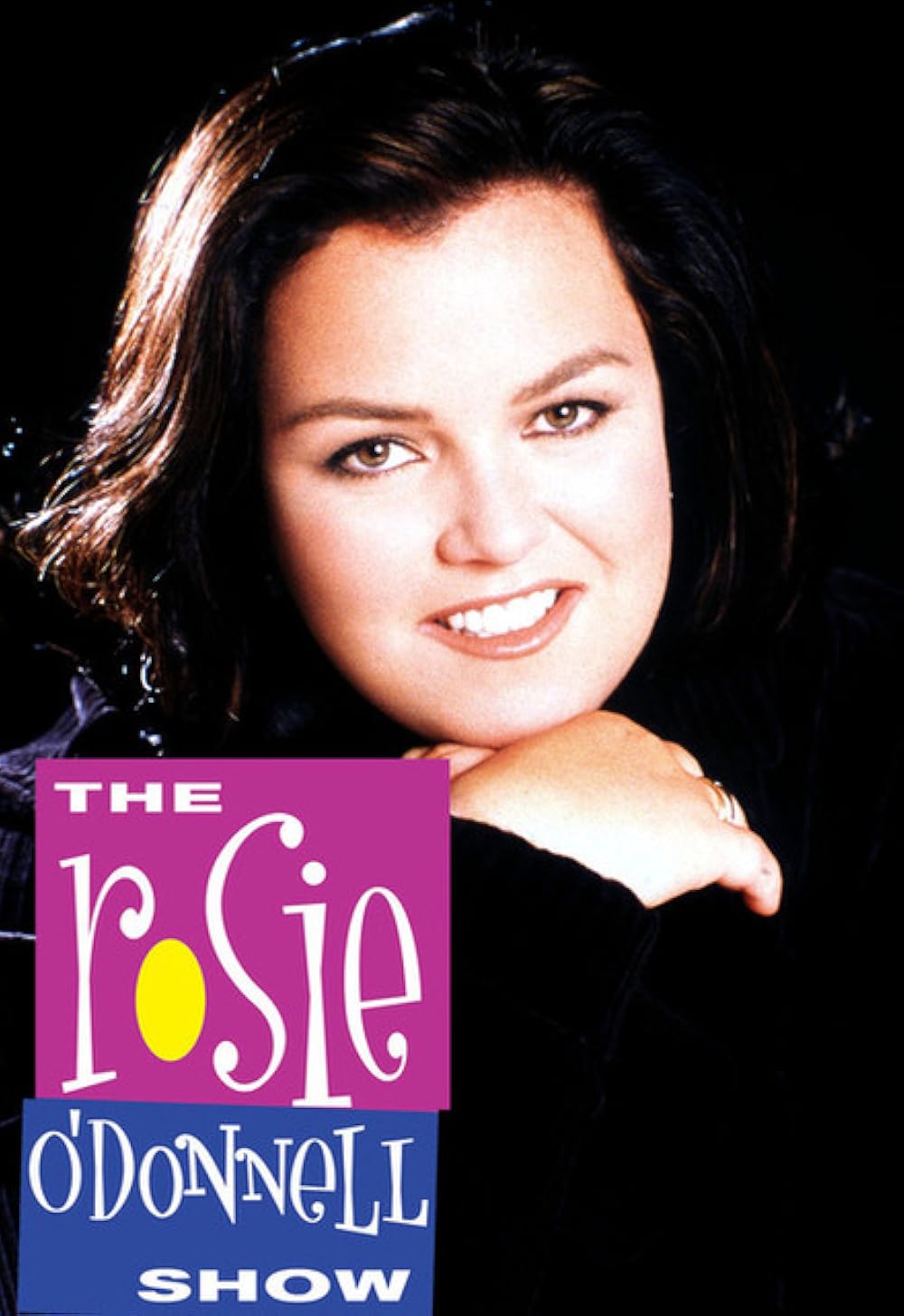
Born on March 21, 1962, in Bay Shore, New York, Rosie O’Donnell began her career in entertainment at a young age. She gained national attention as a stand-up comedian before becoming a household name as the host of “The Rosie O’Donnell Show” from 1996 to 2002. The show won multiple Daytime Emmy Awards and became a platform for promoting various causes, showcasing diverse guests, and celebrating the arts.
Acting and Television Success
Beyond daytime television, O’Donnell has built a remarkable acting career. She starred in notable films such as “A League of Their Own” (1992) and “Sleepless in Seattle” (1993), earning acclaim for her performances. O’Donnell’s ability to connect with audiences is not only limited to her humor but also her authenticity and vulnerability, particularly during her talks about personal struggles, including her own mental health journey.
Advocacy and Philanthropy
Rosie O’Donnell is equally recognized for her philanthropic efforts. She has been a staunch advocate for LGBTQ+ rights, sharing her experiences and using her platform to support marriage equality and anti-bullying campaigns. O’Donnell has also fronted initiatives for children in need, such as her own charity organisation, Rosie’s Theater Kids, which offers arts education to underprivileged youth.
Recent Endeavours and Cultural Impact
In recent years, O’Donnell has continued to make her mark with a resurgence in television. She has made guest appearances on various shows and returned to her roots in stand-up comedy. The enduring relevance of O’Donnell is indicative of her versatile talent and unwavering commitment to speaking out on issues that matter to her. As society continues to grapple with challenges regarding mental health awareness and LGBTQ+ acceptance, O’Donnell’s voice remains a beacon of hope and inspiration for many.
Conclusion
Rosie O’Donnell’s impact on entertainment and social activism is profound and far-reaching. Her ability to entertain, educate, and advocate highlights the vital role she plays in modern culture. As she continues to evolve and adapt to the changing landscape of media and activism, O’Donnell remains a crucial figure for future generations in both the entertainment industry and civic engagement.