Introduction
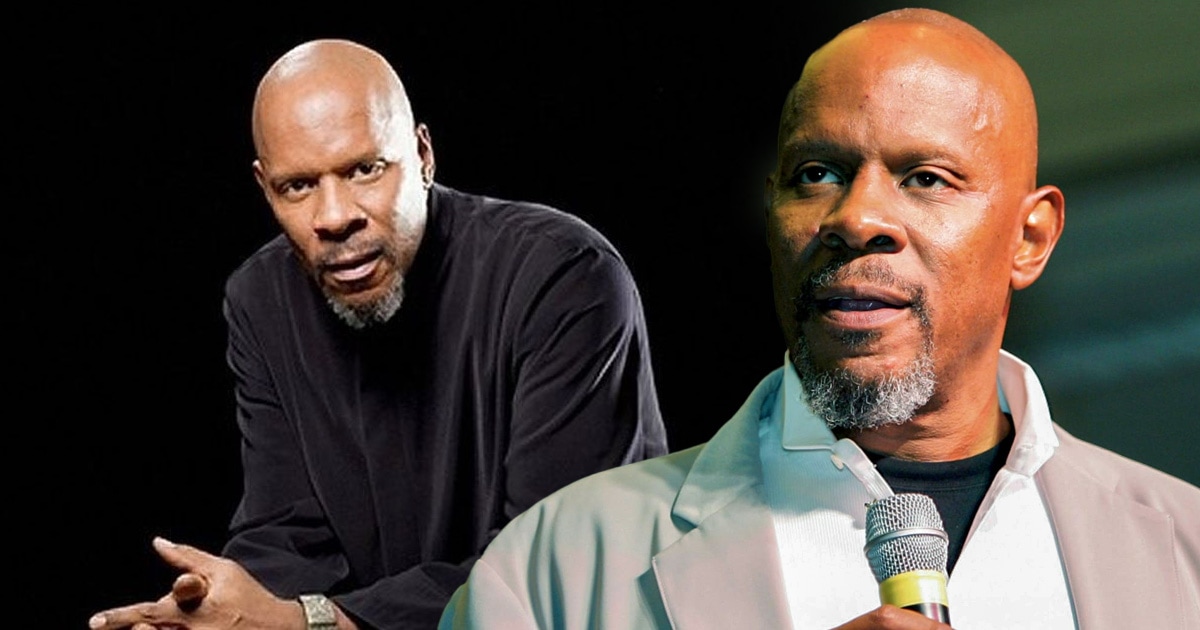
Avery Brooks is a multifaceted artist renowned for his contributions to film, television, and theatre. He is best known for his portrayal of Captain Benjamin Sisko in the acclaimed series Star Trek: Deep Space Nine. As a prominent figure in the entertainment industry, Brooks not only showcased his acting prowess but also his directorial and musical talents. His work has had a significant impact on the representation of African American characters in science fiction and drama.
Early Life and Education
BROOKS was born on October 2, 1948, in Evansville, Indiana, and raised in a creatively stimulating environment that influenced his love for the arts. He graduated from the University of Indianapolis and went on to earn a Master’s degree in Fine Arts from Rutgers University. His educational background provided him with a strong foundation, enabling him to pursue diverse roles in acting, directing, and education.
Career Highlights
Brooks gained widespread recognition when he joined the cast of Star Trek: Deep Space Nine in 1993. His character, Captain Sisko, was groundbreaking as one of the first African American lead characters in a major science fiction television series. During the show’s run, which lasted until 1999, Brooks received critical acclaim for his performance, which broke stereotypes and presented a multifaceted view of leadership and morality.
Beyond Star Trek, Brooks has had a rich career in theatre, with performances in productions like August Wilson’s Fences and King Lear. He is also known for his role in the PBS series I’ll Take You There, which showcased his ability to blend storytelling with music and social commentary.
Recent Developments
In recent years, Brooks has taken on fewer acting roles but remains active in the entertainment community. He has expressed interest in storytelling and education, advocating for the importance of representation and diversity in the arts. Additionally, Brooks has remained a beloved figure among Star Trek fans, participating in conventions and discussions about the show’s legacy.
Conclusion
Avery Brooks has made a profound impact on both television and theatre, becoming a role model for aspiring actors and a voice for underrepresented communities. As a pioneering figure in the industry, his contributions serve as a reminder of the importance of diversity in storytelling. Looking ahead, audiences can hope to see Brooks continue to advocate for the arts while possibly making more appearances in film or television, shaping future generations of artists.