Introduction
The Virtual Boy, launched by Nintendo in 1995, has often been considered one of the most ambitious yet flawed gaming systems in history. Its significance extends beyond its commercial performance, as it marked a crucial exploration into 3D gaming and virtual reality, setting the stage for future advancements in the gaming industry.
Launch and Features
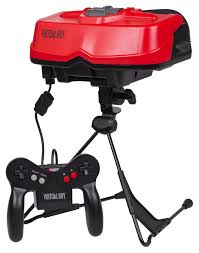
Released on July 21, 1995, in Japan and later in North America, the Virtual Boy aimed to deliver a unique 3D gaming experience through an innovative headset design. Nintendo marketed it as the first portable console capable of displaying stereoscopic 3D graphics, boasting a library of 22 games, including titles like ‘Tennis’, ‘Mario’s Tennis’, and ‘Wario Land’. The console’s design featured red and black visuals, which showcased its ability but also contributed to public backlash over its perceived simplicity and the discomfort some players felt during extended use.
Commercial Performance and Reception
Despite its groundbreaking approach, the Virtual Boy struggled to capture the market, selling only around 770,000 units in its lifetime and being discontinued in 1996, less than a year after its initial release. Critics noted concerns over its bulky design, lack of colour, and negative physical effects such as headaches and eye strain. The gaming community’s mixed reception ultimately relegated the Virtual Boy to a mere footnote in gaming history for many years.
Legacy and Impact
However, the Virtual Boy’s influence cannot be understated. It prompted discussions about the viability of virtual reality in gaming and foreshadowed trends that would re-emerge decades later in more sophisticated forms. Furthermore, the system has cultivated a cult following among retro enthusiasts and collectors, being appreciated for its novelty and the earnest attempt at innovation. The character of Wario, introduced in ‘Wario Land’, also went on to become a beloved figure in the wider Nintendo franchise.
Conclusion
In retrospect, while the Virtual Boy was a commercial failure, it paved the way for future technological advancements in virtual reality and 3D gaming. Today, as the gaming industry continues to explore immersive experiences, the lessons learned from the Virtual Boy’s ambitious design choices and missteps provide valuable insights. As technology advances, the spirit of experimentation that the Virtual Boy embodied remains a significant chapter in the ongoing narrative of video game evolution.