Introduction
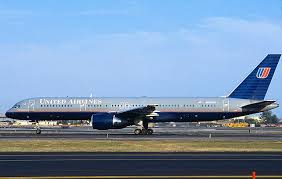
United Flight 93, a domestic passenger flight that was hijacked on September 11, 2001, holds a pivotal place in American history. As one of four flights involved in the September 11 attacks, the aircraft became a symbol of resistance and bravery. The actions taken by passengers and crew ultimately changed the intended course of the hijackers, highlighting themes of heroism and sacrifice. This tragic event forced a reevaluation of aviation security protocols and national security strategies that affects air travel today.
The Events of September 11, 2001
United Flight 93, which took off from Newark International Airport bound for San Francisco, was hijacked by four Al-Qaeda terrorists approximately 30 minutes into its flight. At 9:28 AM, the flight was commandeered, and the hijackers informed air traffic control that they had a bomb. As news of the previous terrorist attacks, including the crashes into the World Trade Center and the Pentagon, reached the passengers through mobile calls to family members, a sense of urgency gripped them.
Realising the hijackers’ possible intentions to target another landmark in Washington D.C., including possibly the White House or Capitol Hill, passengers and flight crew members united to take action. They bravely confronted the hijackers in an attempt to regain control of the aircraft.
The Aftermath and Impact on Aviation Security
At 10:03 AM, United Flight 93 crashed into a field in Shanksville, Pennsylvania, due to the heroic efforts of passengers trying to overcome the hijackers. Although it resulted in the loss of 40 innocent lives, their bravery prevented further mass destruction and potential loss of additional lives.
In the aftermath of the attacks, significant changes to aviation security were implemented. The Transportation Security Administration (TSA) was created, enhancing passenger screening processes, regulating cockpit access, and instituting other security measures that have since transformed air travel protocols. Moreover, the narrative of United Flight 93 led to a renewed discourse around emergency preparedness and passenger empowerment in the face of crisis.
Conclusion
The story of United Flight 93 serves as a powerful reminder of courage in the face of unimaginable adversity. The passengers’ resilience and swift decision-making altered the course of history on that fateful day. As we remember the events of September 11, 2001, it is crucial to reflect on the profound impact this flight had on security regulations, as it continues to shape the policies governing air travel today. The legacy of United Flight 93 is one of strength, unity, and a dedication to preventing future tragedies through vigilance and reform.