Introduction
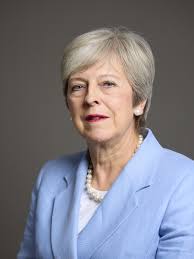
Theresa May, who served as the Prime Minister of the United Kingdom from 2016 to 2019, played a pivotal role in the nation’s political landscape during one of its most tumultuous periods—Brexit. Her tenure was marked by challenges, debates, and significant decisions that have shaped both her legacy and the future of the UK. Understanding her impact is crucial for analysing the ongoing transformations within British politics.
Key Events of Theresa May’s Premiership
May ascended to the premiership following the resignation of David Cameron in the wake of the Brexit referendum in June 2016. She quickly adopted the mantra “Brexit means Brexit,” indicating her firm stance on the UK’s departure from the EU. May faced an uphill battle, as she sought to negotiate the terms of the withdrawal while uniting a divided party.
One of the most significant moments of her leadership was the triggering of Article 50 in March 2017, which officially set the Brexit process into motion. This move ignited intense political and public debates, leading to a general election later that year. Miscalculating her party’s standing, May called for an election to strengthen her mandate but instead lost her parliamentary majority, resulting in a hung parliament.
Struggles with Brexit Negotiations
Over her governance, May attempted to negotiate a withdrawal agreement with the EU, ultimately presenting the deal three times to Parliament. Each attempt was met with significant opposition, notably from hardline Brexiteers and the Labour Party. The repeated rejections culminated in her announcement of resignation in May 2019, after acknowledging that she could not deliver Brexit as envisioned.
May’s Influence After Premiership
Since her resignation, May has remained an influential figure in British politics, often voicing her opinions on current political matters. She authored a memoir, “The Abuse of Power: The New Politics of the U.K.,” which discusses her experiences and reflections on her leadership. Today, she actively champions various causes including women’s rights and climate change, advocating for a more engaged political discourse.
Conclusion
Theresa May’s time in office remains a subject of heated discussion and analysis. While her efforts to navigate Brexit were met with significant challenges, her leadership provided a poignant example of the complexities associated with political decision-making in times of crisis. Looking towards the future, her legacy continues to influence discussions around sovereignty, national identity, and political accountability within the United Kingdom. As the country faces new challenges, the implications of May’s tenure will undoubtedly resonate in the political arena for years to come.