Introduction to Pennywise
Pennywise, the terrifying shape-shifting clown created by Stephen King in his 1986 horror novel ‘IT’, has become one of the most recognisable and unsettling figures in modern horror. The character epitomises fear, manipulating the deepest anxieties of children and adults alike. As horror movie adaptations continue to gain traction, Pennywise remains a lasting symbol of terror that resonates with audiences around the world.
Pennywise in Literature and Film
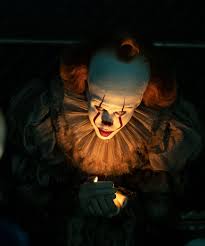
Initially appearing in King’s novel, Pennywise represents a malevolent entity that preys on the fears of its victims, taking the form of a clown to lure children. The character was portrayed in the 1990 miniseries by Tim Curry, which solidified Pennywise’s status as an icon in horror cinema. However, it was the 2017 film adaptation directed by Andy Muschietti that reignited interest in Pennywise. Bill Skarsgård’s chilling portrayal introduced a new generation to the terrifying saga of the Losers’ Club and the manifestation of their fears.
Recent Developments and Cultural Impact
The significant success of the recent adaptations has led to a resurgence of interest in not just the character, but also the broader themes of King’s work, including childhood trauma and the loss of innocence. Fans have seen an increase in merchandise, art, and even academic discussions centred around Pennywise, reflecting the character’s multi-faceted impact on popular culture.
Pennywise’s influence extends beyond entertainment; it has become a point of reference in discussions about mental health and the real-life implications of confronting one’s fears. As communities engage with the character through various mediums, there is potential for meaningful discourse surrounding trauma and recovery.
Conclusion: The Enduring Significance of Pennywise
As we move into 2023, Pennywise continues to hold a prominent position in horror literature and film. With impending new adaptations and ongoing fan interest, it is likely that this character will remain relevant for years to come. This enduring legacy serves not only to frighten but also to encourage audiences to explore deeper issues of fear, memory, and resilience. For readers and viewers alike, Pennywise stands as a complex character that invites reflection on what terrifies us the most.