Introduction
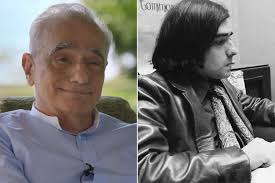
Martin Scorsese, an iconic figure in the world of cinema, has significantly shaped the film industry over the last five decades. His works delve into complex themes such as crime, morality, and human nature, showcasing the intricacies of life in a way that resonates with audiences worldwide. As both a director and a historian of film, Scorsese’s contributions continue to affect filmmakers and cinephiles alike, making his work highly relevant in discussions regarding contemporary cinema.
Early Life and Career Beginnings
Born on November 17, 1942, in Queens, New York, Scorsese was immersed in the vibrant culture of the city, which later influenced many of his films. He studied at NYU’s Tisch School of the Arts, where he developed his passion for storytelling through motion pictures. His debut feature film, “Who’s That Knocking at My Door” (1967), showcased his unique voice and vision, laying the groundwork for his illustrious career.
Defining Works and Impact
Scorsese is best known for masterpieces such as “Taxi Driver” (1976), “Goodfellas” (1990), and “The Departed” (2006). Each of these films not only features stellar performances and narratives but also profoundly human exploration of themes such as alienation and redemption. “Goodfellas,” in particular, is lauded for its realistic portrayal of organized crime and has been cited as a reference point for many aspiring filmmakers. In 2020, Scorsese also delivered a celebrated Netflix production entitled “The Irishman,” which marked a historic collaboration with Robert De Niro and Al Pacino, showcasing advancements in digital de-aging technology.
Recent Developments
In 2023, Scorsese released his latest film, “Killers of the Flower Moon,” based on the true story of the Osage Murders in the 1920s, reflecting his continuous engagement with historical narratives. The film has generated considerable buzz, further solidifying his status as a key driver of cinematic innovation. Additionally, Scorsese has been an outspoken advocate for film preservation, emphasizing the importance of archiving and protecting cinema for future generations.
Conclusion
Martin Scorsese’s contributions to the world of film are immeasurable. His relentless pursuit of storytelling excellence and innovation serves not only as an inspiration but as a crucial cornerstone shaping modern cinema. As audiences delve into his latest works, one can anticipate his impactful legacy continuing to evolve and inspire new generations of filmmakers. The significance of Scorsese’s narratives—rooted in the human experience—ensures he remains a pivotal figure for both viewers and creators in the ever-changing landscape of film.



