Introduction
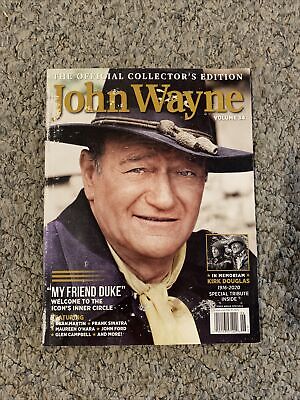
John Wayne, an enduring symbol of American culture and cinema, had a substantial impact on the film industry from the 1920s until his death in 1979. Known for his rugged persona and distinctive voice, Wayne became the epitome of the American cowboy in films, particularly in the Western genre. His contributions to Hollywood continue to resonate today, making him a significant figure in both film history and American popular culture.
Career Highlights
Wayne’s career kicked off when he appeared in silent films in the early 1920s, but it was his role in the 1939 film “Stagecoach” that truly catapulted him into the spotlight. He went on to star in a plethora of classics, including “The Searchers” (1956), “True Grit” (1969), which earned him an Academy Award for Best Actor, and “The Alamo” (1960), which he also directed. His work is characterised by a strong, stoic masculinity that left an indelible mark on the portrayal of American heroes in film.
Cultural Impact
Beyond his film roles, Wayne became a symbol of American values and ideals, particularly through his on-screen presence that encapsulated courage, patriotism, and rugged individualism. His performances during and post-World War II helped to create a cinematic image of America that highlighted bravery and moral clarity. However, his legacy also raises discussions about representation and the narratives of nationalism in cinema, notably due to his controversial statements and viewpoints on various social issues.
Recent Reexaminations
In recent years, filmmakers and scholars have begun to re-examine Wayne’s legacy, reflecting on the complexities of his characters and the societal implications of his films. While many continue to admire his movies for their storytelling and artistry, others critique his personal beliefs and the influence they had on the narratives within his films. Documentaries and retrospectives have sought to provide a balanced view of an artist who both celebrated and challenged aspects of American life.
Conclusion
John Wayne’s legacy remains significant as he continues to shape the landscape of American cinema. His films are a window into not only his portrayal of masculinity and heroism but also reflect broader cultural attitudes and tensions within society. As new generations discover his work, discussions about his contributions and controversies will undoubtedly continue. Wayne may have passed, but his impact on film and American culture remains indelible, symbolising the complexities of a bygone era that still resonates in contemporary discussions about identity and representation.