Introduction
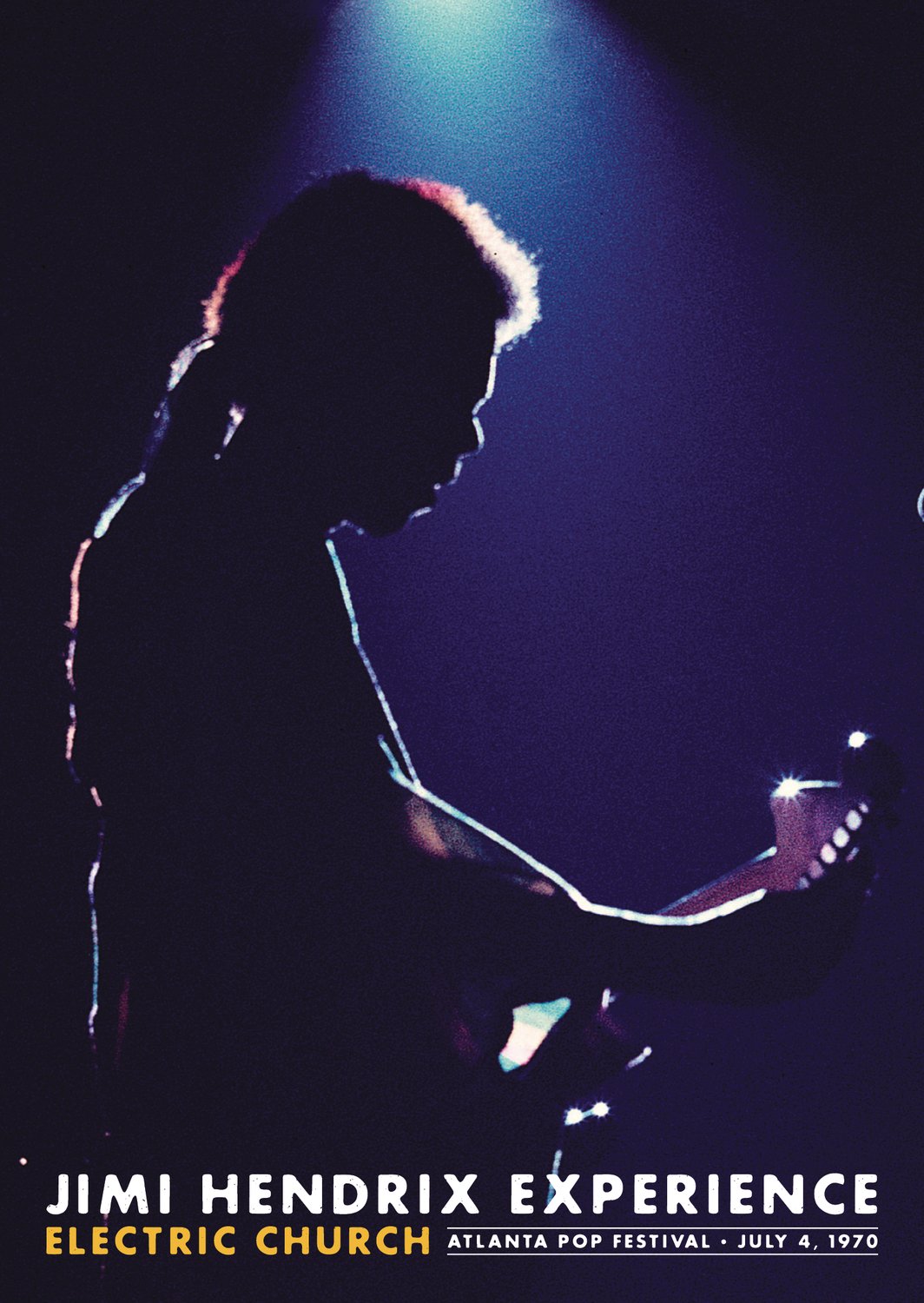
The “Electric Church” is a term that resonates with fans of Jimi Hendrix, representing not just a concert but a pivotal moment in music history. Hendrix, a revolutionary figure in rock and blues, pushed the boundaries of guitar playing and stage performance. His performance at the 1970 Atlanta International Pop Festival, often referred to as Electric Church, showcased his unique style and left an indelible mark on music.
The Significance of Electric Church
Jimi Hendrix’s Electric Church performance came at a crucial point in his career. By 1970, Hendrix was already a global icon; however, his performance at the Atlanta festival on July 4 solidified his status as a social and cultural force. The term “Electric Church” itself came from Hendrix’s belief in music as a unifying spiritual force, bringing people together regardless of race or background.
During the festival, Hendrix performed with fervour and creativity, choosing songs that highlighted not only his musical prowess but also his political and social messages. His rendition of classics like “The Star-Spangled Banner” was a powerful statement against the backdrop of the Vietnam War, cementing his role as a voice of a generation.
Electric Church in Modern Culture
While Hendrix tragically passed away at a young age, his influence continues to thrive. Recent documentaries and discussions have brought renewed attention to his work, including the concept of the Electric Church. Music festivals today often pay homage to his legacy, celebrating the individualism and freedom Hendrix championed. This ethos continues to resonate throughout the music community, influencing new generations of artists.
Moreover, this period in music history has inspired recent reconstructions of his concerts and events dedicated to celebrating his artistry. Exhibitions that feature memorabilia from the Electric Church performance serve as a vivid reminder of his impact on rock music and the socio-political landscape of the era.
Conclusion
Jimi Hendrix’s Electric Church remains a symbol of artistic expression and unity amidst societal chaos. The celebration of his work and the messages conveyed through performances like the Electric Church continue to inspire musicians and fans alike. As we reflect on his legacy, it is vital to remember Hendrix not just as a musician but as a cultural icon who transcended barriers and brought people together through his music. The future of Hendrix’s influence lies in the hands of artists who will continue to share his visionary spirit and redefine the landscape of musical performance.