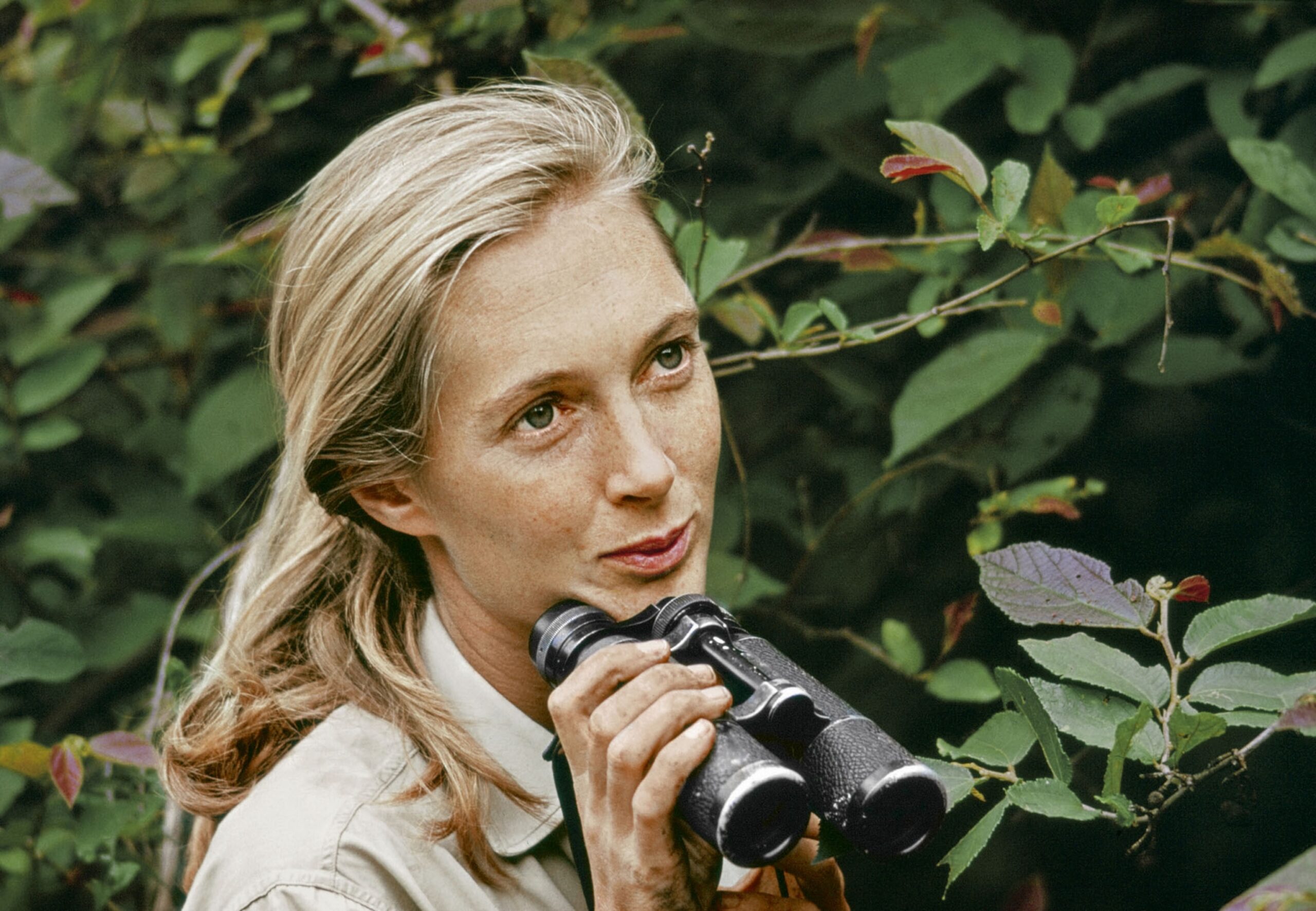
Introduction: A Pioneer in Primatology
Jane Goodall, the renowned primatologist and anthropologist, has had a profound impact on conservation and animal behaviour studies since the 1960s. Her groundbreaking research on wild chimpanzees in Tanzania changed the perception of humans’ place in the animal kingdom and transformed the approach toward wildlife conservation worldwide. Today, Goodall’s work remains incredibly relevant as we face increased environmental challenges and species extinction.
Main Body: Key Contributions and Current Initiatives
Goodall’s extensive field research began in 1960 when she ventured into Gombe Stream National Park, observing chimpanzee behaviour in various natural settings. Her observations revealed that chimpanzees have complex social structures and can use tools, behaviours previously thought to be uniquely human. This discovery not only altered our understanding of these primates but also sparked important discussions about animal rights and ethics.
Throughout her career, Goodall has also been a passionate advocate for conservation efforts, founding the Jane Goodall Institute in 1977. The institute is dedicated to wildlife research, habitat preservation, and community-centred conservation strategies. Among its notable initiatives is “Roots & Shoots,” which empowers young people to undertake environmental and humanitarian projects within their communities. Currently, this programme is active in over 50 countries, engaging thousands of youth in conservation and education efforts.
In light of the ongoing climate crisis, Goodall’s messages have gained more urgency. Recent reports from the United Nations highlight that around one million species are at risk of extinction, largely due to habitat destruction and climate change. Goodall has continuously advocated for urgent action, pushing for sustainable living practices, animal rights, and the need for a collective effort to restore the balance between nature and humanity.
Conclusion: The Future of Conservation
Jane Goodall’s legacy extends beyond her research; it serves as a beacon for future generations in wildlife conservation and environmental stewardship. Her work illustrates that understanding and compassion for animals can lead to impactful action, encouraging younger generations to champion the cause of conservation. As threats to ecosystems and wildlife persist, Goodall’s approach of combining science with compassionate activism remains integral to fostering a more sustainable future for both wildlife and people. Her continued advocacy reminds us that it is never too late to make a difference and that each individual action contributes to a larger movement towards coexistence and respect for all living beings.



