Introduction
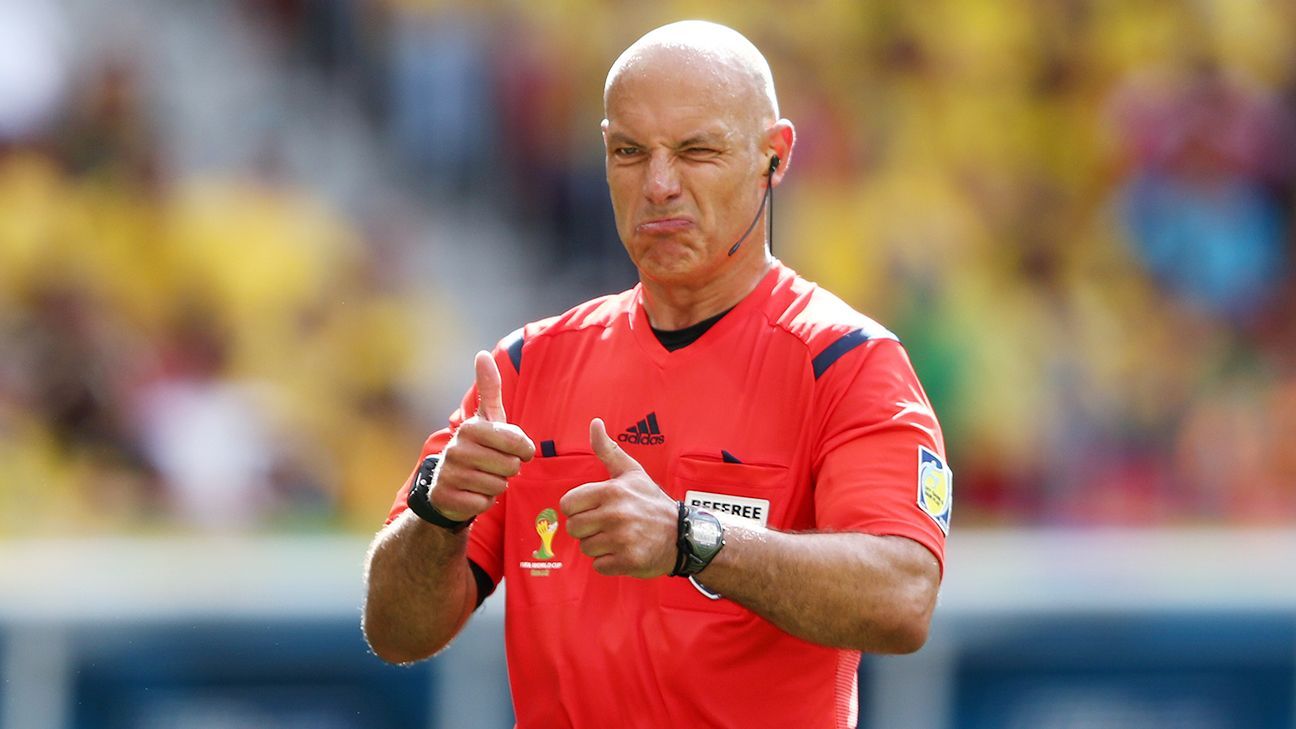
Howard Webb, a name synonymous with football officiating, has significantly influenced the standards of referee performance in modern football. His career, which spans over a decade in top-flight football, emphasises the importance of robust refereeing in ensuring the integrity of the game.
Career Highlights
Beginning his career in the lower tiers of English football, Webb gained prominence when he was appointed to officiate Premier League matches in the early 2000s. His reputation grew rapidly, and he became well-known for his consistent decision-making and calmness under pressure. Notably, Webb officiated at multiple high-profile tournaments, including the 2010 FIFA World Cup Final, where he earned praise for his management of the game.
Technological Advancements and Referee Training
In recent years, Webb has been a vocal advocate for incorporating technology into football officiating. With the introduction of VAR (Video Assistant Referee), the football community has seen debates about its effectiveness. Webb supports VAR, asserting that it enhances the accuracy of decisions but emphasises the need for comprehensive training for referees to adapt to these new tools.
Post-Retirement Involvement
Since retiring as an elite referee, Webb has remained deeply involved in the sport. He has taken on roles in training upcoming referees and has contributed to discussions regarding referee education. Webb’s expertise is now crucial in shaping the next generation of officials, aiming to instill the values of fairness and authority on the pitch.
Conclusion
Howard Webb’s legacy is one of professionalism, integrity, and an unwavering commitment to improving refereeing standards in football. As the game continues to evolve, his influence remains significant, ensuring that the essence of officiating upholds the spirit of fair play. As technology progresses and the demands on referees become more complex, Webb’s insights and experience will undoubtedly play a crucial role in shaping the future of football officiating.



