Introduction
Gary Lineker, a name synonymous with English football, has not only carved a prominent place in the sport’s history but also transformed the world of sports broadcasting. As a former professional footballer and the host of the popular BBC show “Match of the Day,” Lineker remains a vital figure in the UK’s sporting landscape, making his opinions and presence highly relevant amidst ongoing discussions about football’s role in society.
A Stellar Football Career
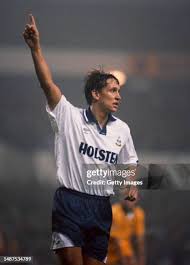
Lineker’s professional career spanned from 1978 to 1994, during which time he played for notable clubs such as Leicester City, Everton, Barcelona, and Tottenham Hotspur. He is best known for his extraordinary goal-scoring ability, which enabled him to be the top scorer in the 1986 FIFA World Cup in Mexico. His remarkable talent on the pitch was further recognised with his induction into the English Football Hall of Fame in 2002.
Transition to Broadcasting
Post-retirement, Gary Lineker successfully transitioned into broadcasting, becoming one of the most respected sports presenters in the UK. Hosting “Match of the Day” since 1999, he has established a rapport with viewers and has become a prominent commentator on football-related issues. His insights, combined with a flair for engaging storytelling, have made him a beloved figure in sports media.
Recent Events and Controversies
The landscape for sports personalities can often be tumultuous, and Lineker has found himself at the centre of several debates. Most recently, in early 2023, he faced criticism regarding his comments on social media about political matters, particularly concerning the UK government’s handling of immigration. These comments sparked discussions about the responsibilities of sports figures in political discourse and the implications for their broadcasting careers. The incident led to a national conversation about freedom of expression and the role of public figures in advocating for social issues.
Conclusion
Gary Lineker’s journey from football icon to media personality underscores the evolution of athlete roles in contemporary society. His contributions to football, alongside his outspoken nature, continue to shape the narrative of sports coverage in the UK. As the debate surrounding athlete activism and political discourse deepens, it will be crucial to monitor how figures like Lineker navigate these complex waters. His case exemplifies the impact of sports figures beyond the pitch, sparking essential dialogues about accountability, influence, and the future of sports media.