Introduction
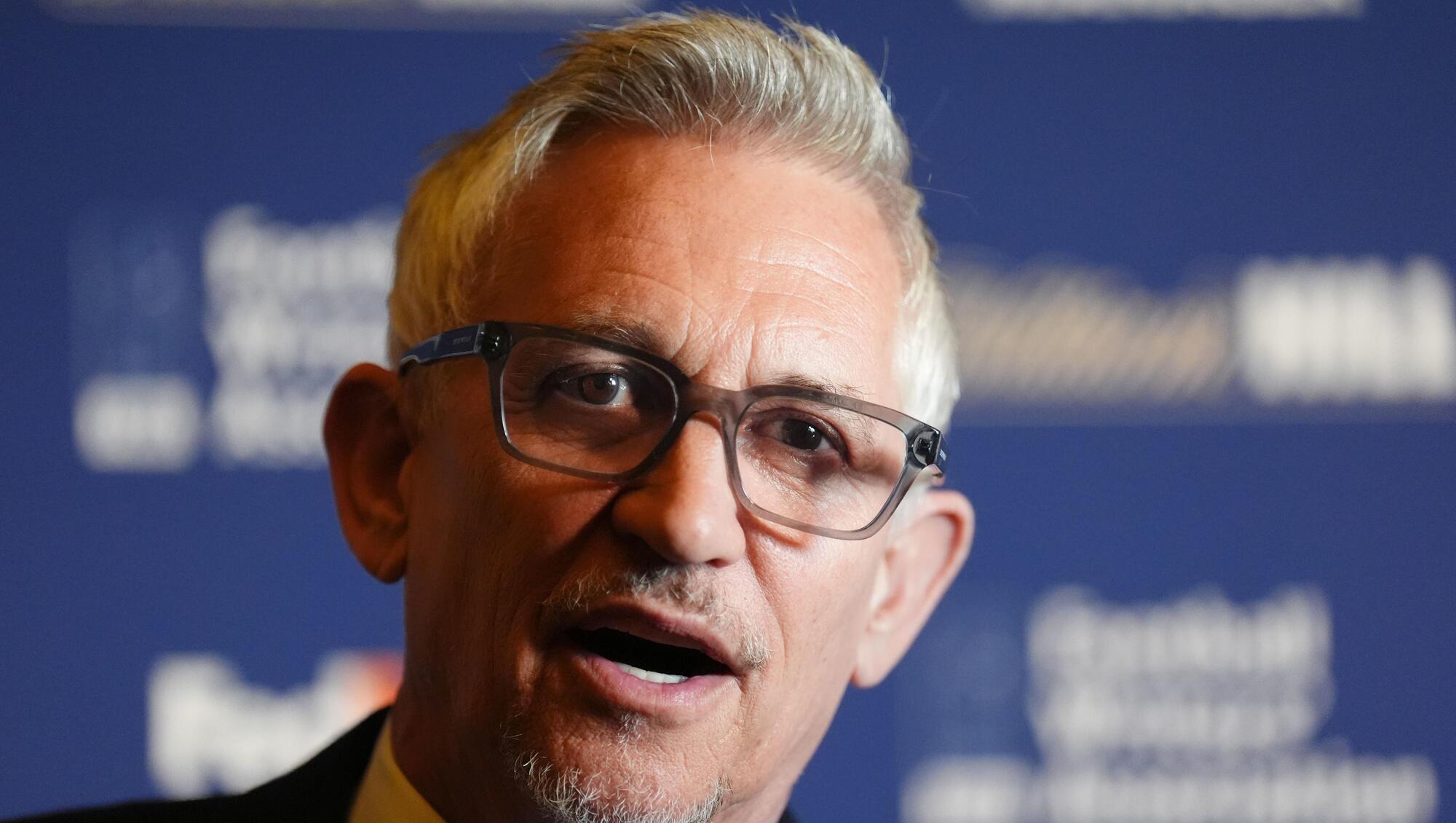
Gary Lineker is a name that resonates deeply within the realms of football and television broadcasting in the United Kingdom. As one of England’s most celebrated strikers, his illustrious career highlights his significance in the sport. With a transition into broadcasting, he has become a familiar face in homes across the nation. Understanding Lineker’s importance lies not only in his achievements on the pitch but also in his contributions as a sports pundit and influencer.
Football Career
Born on November 30, 1960, in Leicester, Gary Lineker began his professional career at Leicester City in 1978, where he quickly made a name for himself as a talented forward. His notable stints at Everton, and more prominently, at Tottenham Hotspur and Barcelona, helped him become one of the highest scorers in the history of English football.
Lineker also enjoyed an impressive international career, representing England in three World Cups. He became the top scorer during the 1986 World Cup in Mexico, cementing his place in football history. With a total of 48 goals for his national team, Lineker remains England’s third-highest scorer, showcasing both his talent and consistency.
Transition to Broadcasting
After retiring from football in 1992, Lineker seamlessly transitioned into a broadcasting career. He joined the BBC, where he has served as the host of the flagship football programme, “Match of the Day,” for over 20 years. His insightful analysis and engaging persona have made him a respected figure in sports journalism.
In recent years, Lineker’s role has also expanded beyond football commentary. He became known for his social media presence and for voicing his opinions on various socio-political issues. This aspect of his persona has sparked discussions and sometimes controversy regarding the responsibilities of public figures in addressing social matters.
Recent Events and Current Relevance
In 2023, Gary Lineker made headlines for his involvement in a high-profile incident regarding impartiality rules at the BBC. After he publicly expressed his views on the UK government’s refugee policy on Twitter, he faced scrutiny that led to his temporary suspension from the broadcaster. This situation ignited a widespread debate on the balance between freedom of speech and the commitment to impartiality in broadcasting.
Conclusion
Gary Lineker’s legacy extends far beyond the football pitch. His dual impact as a legendary player and broadcaster reflects the evolving nature of sports figures in society. As he navigates the complexities of public discourse amid rapidly changing media landscapes, Lineker continues to engage audiences in discussions both on and off the field. For football fans and media consumers alike, his journey illustrates the significance of sports personalities evolving into influential voices in contemporary issues.