Introduction
Frank Lampard is a name synonymous with English football. Renowned not only for his exceptional skills on the pitch but also for his leadership abilities, Lampard has made significant contributions to the sport both as a player and a manager. His journey from a young talent to one of England’s greatest midfielders underscores the passion and dedication that has inspired countless fans across the globe.
Early Career and Rise to Fame
Born on June 20, 1978, in Romford, London, Frank Lampard began his career at West Ham United, the club where his father, Frank Lampard Sr., also played. He made his debut in 1996, quickly establishing himself as a key player within the team. However, it was his transfer to Chelsea in 2001 that marked the turning point of his career. At Chelsea, Lampard flourished, becoming the club’s all-time leading goalscorer with 211 goals.
Achievements at Chelsea
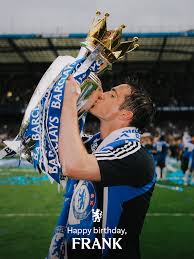
During his 13 years at Chelsea, Lampard helped the team secure numerous titles, including three Premier League titles, four FA Cups, two League Cups, and the prestigious UEFA Champions League in 2012. His ability to score from midfield, combined with his exceptional passing, earned him admiration from fans and players alike. Furthermore, Lampard was a two-time Premier League Player of the Season and was included in the PFA Team of the Year multiple times. His work ethic and professionalism set a standard for up-and-coming players.
International Career
On the international stage, Lampard represented England from 1999 to 2014, earning 106 caps and scoring 29 goals. He participated in three FIFA World Cups and two UEFA European Championships. Despite facing criticism for England’s performance in major tournaments, Lampard remained a crucial part of the national team and is remembered for his influential role during his tenure.
Transition to Management
After retiring as a player in 2017, Lampard transitioned to management, taking the reins at Derby County, leading them to the Championship play-off final before joining Chelsea as head coach in 2019. His time at Chelsea was marked by a commitment to developing young talent and fostering a competitive team spirit. However, he faced challenges and was eventually replaced in early 2021. In January 2023, he returned to management with Everton, providing his experience to a struggling side.
Conclusion
Frank Lampard’s legacy in football is undeniable. From his exceptional playing career to his ongoing contribution as a manager, he embodies the spirit of resilience and dedication. As he navigates through the challenges of management, his influence on future generations of footballers will undoubtedly remain significant. Fans and football enthusiasts alike will continue to follow his journey, eager to witness what this legendary footballer will achieve next.