Introduction
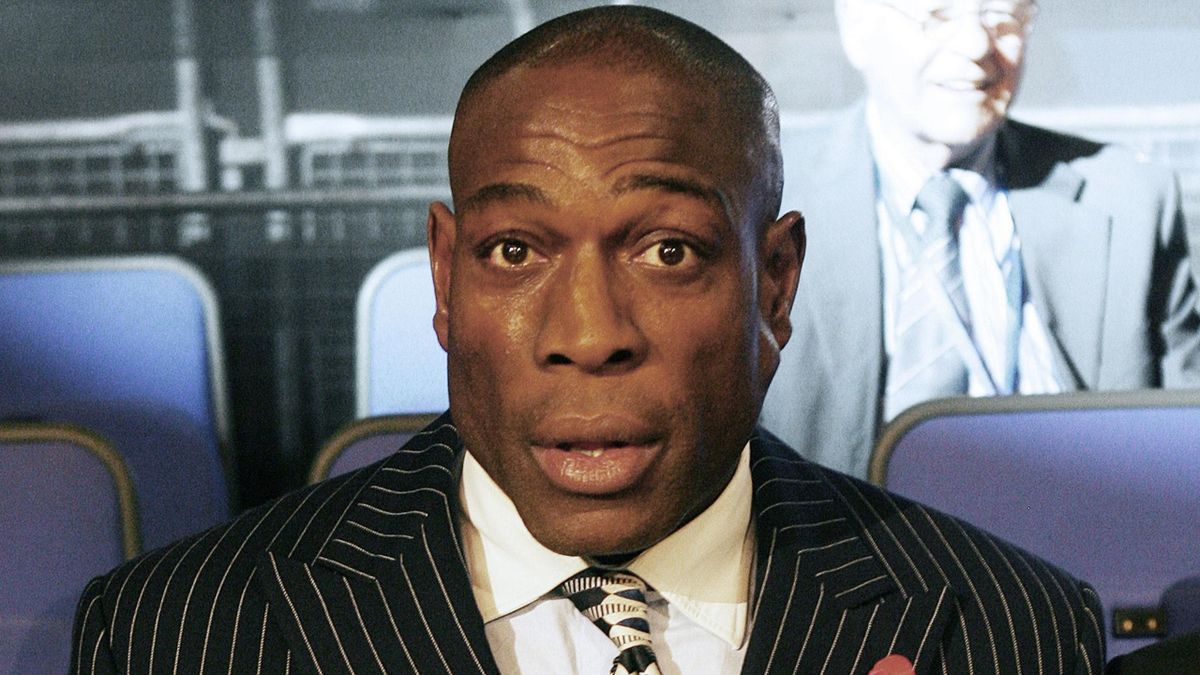
Frank Bruno, a name synonymous with British boxing, has not only made a mark in the sports world but has also emerged as an influential advocate for mental health. His journey from a successful boxing career to his struggles with mental health challenges resonates with many, highlighting the importance of awareness and support around such issues. As mental health continues to be a significant topic in the UK, Bruno’s story serves as both an inspiration and a call to action.
Frank Bruno’s Boxing Career
Frank Bruno was born on November 16, 1961, in Hammersmith, London. He burst onto the boxing scene in the 1980s, quickly making a name for himself with his formidable power and engaging personality. He held the WBC heavyweight title in 1995, becoming a national hero in the UK and a beloved figure in the sport. Over his career, Bruno fought notable opponents such as Mike Tyson and Lennox Lewis, contributing to his reputation as one of Britain’s finest boxers. His achievements earned him a place in the hearts of many boxing enthusiasts.
Struggles with Mental Health
Despite his success in the ring, Bruno faced significant battles outside of it. He has been open about his struggles with mental health, including depression and anxiety, a challenge that many faces but often goes unspoken. In 2003, Bruno was diagnosed with bipolar disorder, a pivotal moment that changed the course of his life. Rather than shying away from his struggles, he chose to speak out, aiming to reduce the stigma surrounding mental health issues. Through interviews and public appearances, he has actively campaigned for better understanding and support systems for those affected by mental illness.
Current Advocacy and Influence
In recent years, Frank Bruno has continued to leverage his platform to raise awareness about mental health. He has partnered with various charities, including the mental health organisation, Mind, advocating for accessible mental health resources and revealing the importance of seeking help. Bruno has also participated in awareness campaigns, making television appearances to discuss his experiences and encourage others to address their mental health proactively. His candid storytelling and approachable demeanour have resonated with countless individuals, proving that recovery and support are attainable.
Conclusion
Frank Bruno’s legacy extends far beyond his accolades in the boxing ring. As an advocate for mental health, he has shown remarkable resilience and courage in sharing his experiences. His calling to raise awareness around mental health serves as an essential reminder of the importance of discussion and support. As stigma continues to diminish, thanks in part to advocates like Bruno, the path towards mental well-being becomes clearer for many. In the future, Bruno’s commitment to this cause is likely to inspire even more initiatives and discussions, reinforcing the significant impact that public figures can have on societal perceptions of mental health.