Introduction
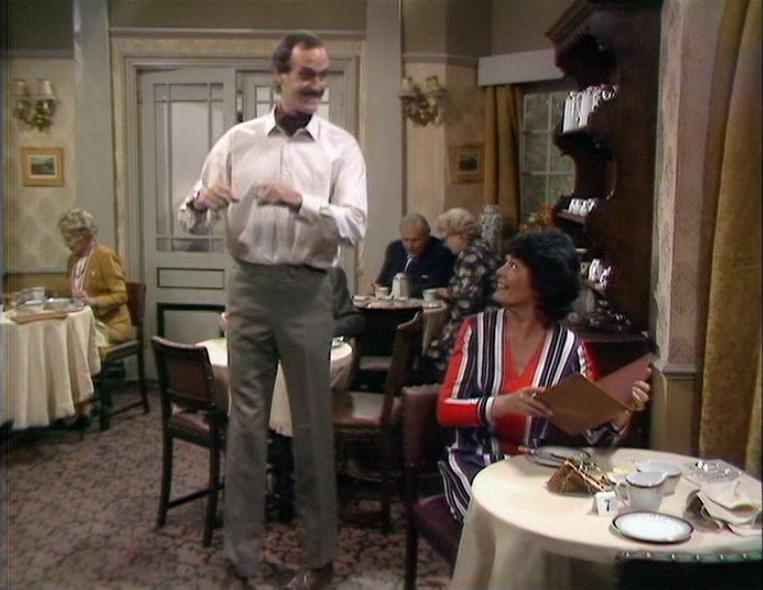
Fawlty Towers, a classic British sitcom that first aired from 1975 to 1979, holds a significant place in television history. Created by John Cleese and Connie Booth, the show is renowned for its sharp humour, unforgettable characters, and farcical situations. This comedic gem, set in a dysfunctional hotel run by the rude and incompetent Basil Fawlty, continues to resonate with audiences today, proving its relevance in the ever-evolving landscape of British comedy.
The Making of Fawlty Towers
Fawlty Towers was inspired by Cleese’s experience working at the Gleneagles Hotel in Scotland, where he encountered the rude manager who would serve as a model for Basil Fawlty. The series consisted of only 12 episodes, developed in two seasons, yet it created a lasting impact with its creative storytelling and character-driven plots. Key characters included the scheming and often irate Basil, his domineering wife Sybil, and their hapless Spanish waiter, Manuel, played brilliantly by Andrew Sachs. Each episode is a masterclass in character interactions, showcasing misunderstandings and escalating chaos that keep audiences laughing.
Enduring Popularity and Cultural Impact
Despite its short run, Fawlty Towers has become one of the most critically acclaimed sitcoms of all time. It is frequently cited in discussions about the greatest television comedies, with many fans and critics praising its tight writing and comedic timing. The series has received numerous accolades, including two BAFTA Awards, and remains a staple in British pop culture. In 2000, the British Film Institute included Fawlty Towers in its list of the 100 Greatest British Television Programmes, underscoring its significance and appeal.
Reunion Rumours and Future Possibilities
In recent years, speculation has grown surrounding a potential reunion or reboot of Fawlty Towers. John Cleese, now in his 80s, has expressed interest in revisiting the characters that made him famous, hinting that newer generations of fans would relish the opportunity to see Basil Fawlty again. However, the challenges of recapturing the magic of the original series remain a topic of debate among fans and critics. The pressure to meet the high expectations of both new viewers and long-time fans could prove daunting.
Conclusion
Fawlty Towers is not merely a relic of the past; it is a cornerstone of British comedy that continues to inspire and entertain. As the world of television evolves, the essence of Fawlty Towers serves as a reminder of the power of humour in storytelling, making it a topic worth revisiting for both old fans and new audiences alike. The potential for a revival could breathe fresh life into these beloved characters while introducing their antics to a new generation of viewers, ensuring that the legacy of Fawlty Towers remains vibrant for years to come.