Introduction
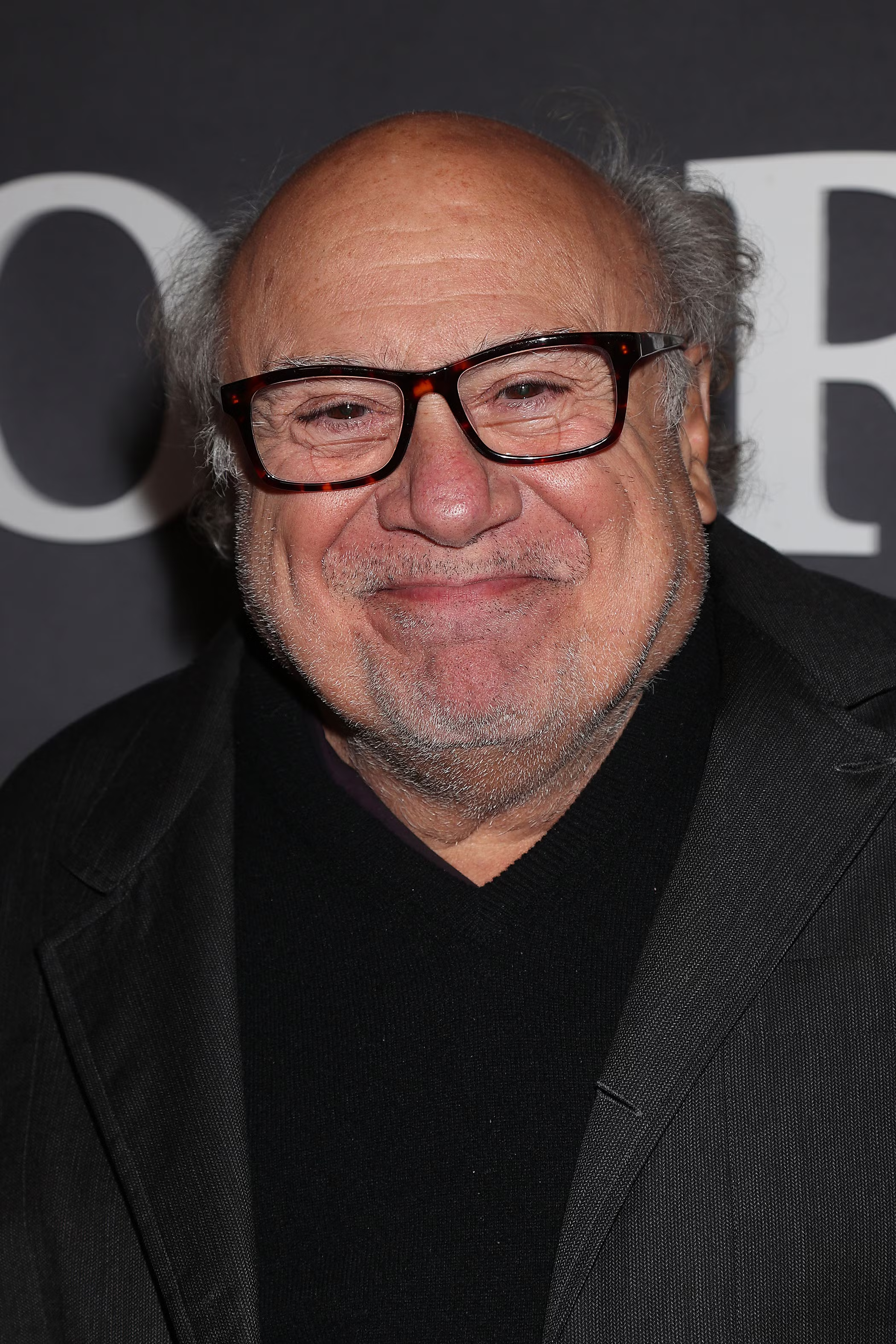
Danny DeVito, an emblematic figure in the film and television industry, is renowned for his distinctive comedic style and versatile acting skills. From his breakthrough role in the 1970s to his recent work, DeVito has captivated audiences worldwide. As we delve into his career, we uncover how his contributions continue to shape the entertainment landscape.
Career Highlights
Born on November 17, 1944, in Neptune Township, New Jersey, DeVito rose to fame with his portrayal of Louie De Palma in the television series Taxi, which aired from 1978 to 1983. This role earned him critical acclaim and an Emmy Award, establishing him as a significant comedic talent. His film career took off soon after, with notable roles in films such as One Flew Over the Cuckoo’s Nest (1975), Throw Momma from the Train (1987), and Batman Returns (1992), where he played the villainous Penguin.
In addition to acting, DeVito has made his mark behind the camera as a producer and director. His directorial debut in Throw Momma from the Train not only showcased his directorial prowess but also his ability to craft engaging narratives. He co-founded the production company Jersey Films, which facilitated the creation of critically acclaimed films such as Pulp Fiction (1994) and Erin Brockovich (2000).
Recent Projects
In recent years, DeVito continues to be an influential figure in entertainment. He has reprised his beloved role as Frank Reynolds in the FX series It’s Always Sunny in Philadelphia, which has garnered a cult following. His work in vocal performances in animated films, such as Soul (2020) and Hercules (1997), highlights his versatility and ongoing relevance in the industry.
Conclusion
Danny DeVito’s contribution to film and theatre is profound, with a career spanning over five decades. He is not just a talented actor but also a multifaceted filmmaker who continues to inspire future generations. As DeVito participates in new projects in the coming years, audiences anticipate how he will reinvent himself while cementing his legacy in the fabric of entertainment history.