Introduction
Bjorn Borg is not just a name synonymous with tennis; he represents an era that transformed the sport into a global phenomenon. His unique style, powerful play, and immense success on the tennis courts during the 1970s and early 1980s continue to influence players and fashion trends even today. Understanding Borg’s impact on tennis and popular culture is essential, as it sheds light on the evolution of the game and the lifestyle surrounding it.
Main Body
Borg’s career is marked by historic achievements. He dominated Wimbledon, winning five consecutive championships from 1976 to 1980, and revolutionised the game with his fierce yet composed on-court presence. His rivalry with players like John McEnroe entered the annals of sport history, representing not just a clash of playing styles, but also differing cultural attitudes towards the sport.
In 1980, the iconic final between Borg and McEnroe remains one of the greatest matches of all time, showcasing the contrasting personalities of the two athletes. Borg’s stoic demeanor clashed vividly with McEnroe’s fiery temperament, capturing the imagination of fans worldwide.
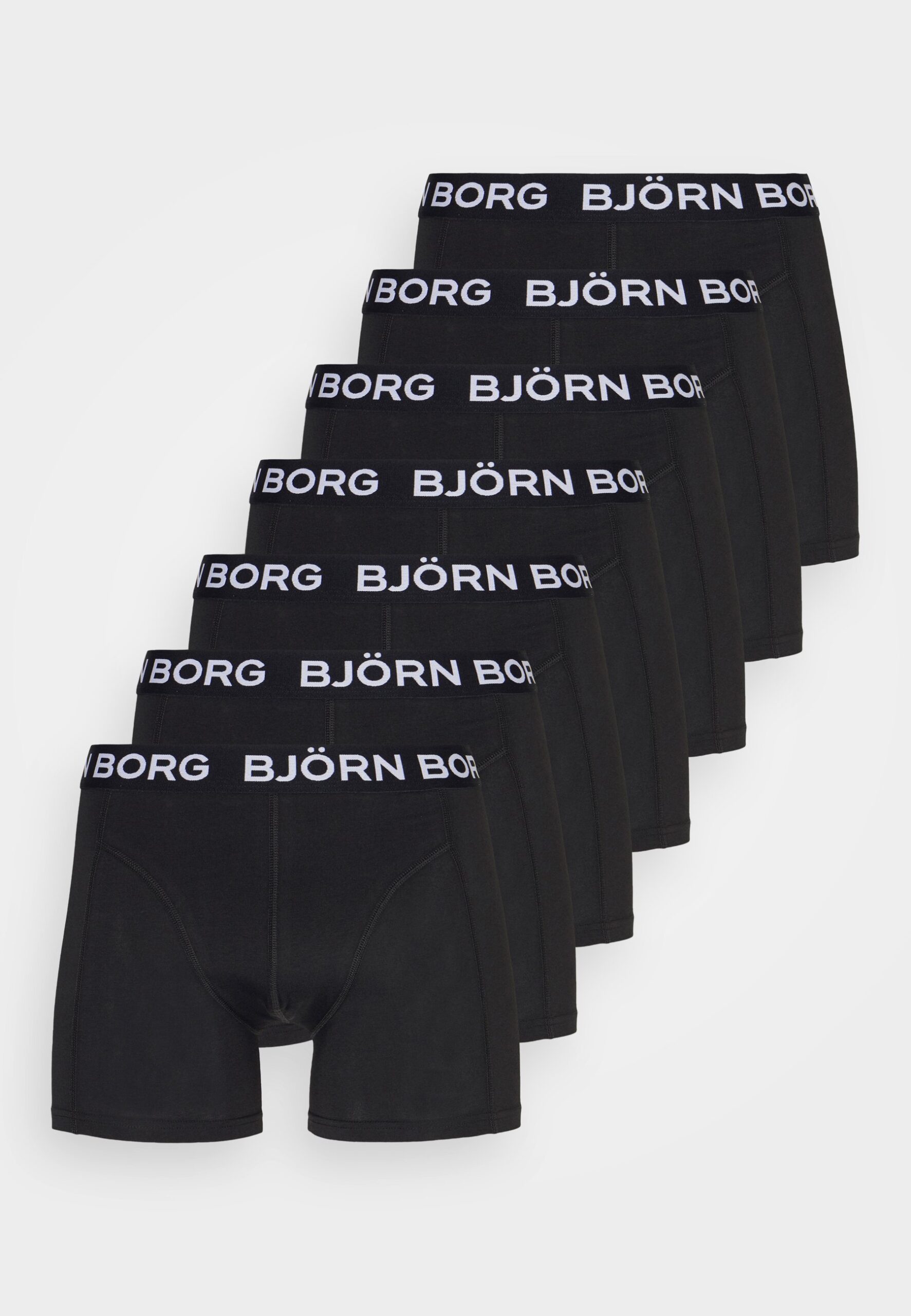
Off the court, Borg was a fashion icon. His signature headbands and outfits became synonymous with the cool, laid-back attitude of the 70s and 80s. Brands took notice, and Borg launched his own line of sportswear, which led to a significant shift in the marketing of sports apparel, blurring the lines between fashion and athleticism.
Conclusion
Bjorn Borg’s legacy transcends tennis; it is a blend of athletic excellence and cultural influence. As contemporary athletes continue to draw inspiration from his style and strategies, Borg’s unique combination of talent and charisma remains relevant. Analysts predict that Borg will continue to inspire future generations of tennis players and fashion enthusiasts alike. His story serves as a reminder of the impact one individual can have on sports and society, paving the way for the athletes of tomorrow.