Introduction
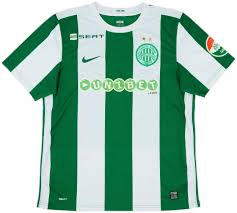
Ferencvárosi Torna Club (commonly known as Ferencváros) is a symbol of Hungarian football culture and success. Founded in 1899, the club has played a pivotal role in the development of the sport in Hungary, making it one of the most celebrated institutions in the country. With a rich history involving numerous domestic championships and European competitions, Ferencváros remains a significant entity not only for its sports achievements but also for its cultural impact.
Recent Achievements
In recent years, Ferencváros has reaffirmed its dominance in Hungarian football. The club clinched its 32nd national championship title in the 2021-2022 season and secured the Hungarian Cup, further cementing its legacy as a formidable force. As of the beginning of the 2023-2024 season, Ferencváros continues to compete at the highest levels, both domestically and in European tournaments. The team’s participation in the UEFA Europa League and their aspirations to reach the UEFA Champions League group stages underline the club’s ambition to establish a prominent presence on the continental stage.
Community Engagement and Fan Base
Ferencváros boasts a passionate fan base, known for their unwavering support both at home and away matches. The club’s supporters, known as ‘Fradi’, have created a vibrant atmosphere in the Groupama Arena, the team’s home ground, where attendance consistently ranks among the highest in the league. Beyond the football pitch, Ferencváros engages in various community programmes aimed at promoting sports and healthy lifestyles among the youth, showcasing its commitment to social responsibilities.
Conclusion
The significance of Ferencvárosi TC extends beyond just football; it is a unifying force within Hungarian society and a beacon of athletic excellence. With an ambitious management team in place and a strong youth academy nurturing future talents, the club is poised for continued success in both national and European competitions. As Ferencváros strives to reclaim its historical place in European football, it remains an important part of Hungary’s cultural and sporting narrative. For fans and observers alike, the coming years will be crucial in determining the club’s trajectory and impact on both the domestic and international stages.