Introduction
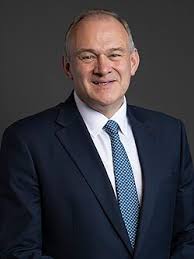
Kim Jong Un, the Supreme Leader of North Korea, has become a significant figure in global geopolitics since he assumed power in 2011. His leadership style, marked by aggressive posturing and nuclear ambitions, has drawn considerable attention and concern from the international community. Understanding his strategies and actions is crucial for comprehending the complexities of North Korea’s relationships with other nations, particularly the United States and South Korea.
Recent Developments
In recent months, Kim Jong Un has escalated military activities, conducting multiple missile tests, including intercontinental ballistic missiles (ICBMs) capable of reaching various parts of the world. In October 2023, North Korea successfully launched its latest ICBM, a move described by analysts as a demonstration of strength in response to ongoing military exercises conducted by South Korea and the U.S. This test reflects North Korea’s commitment to enhancing its deterrent capabilities amid heightened tensions on the Korean Peninsula.
The international community, particularly nations involved in the denuclearisation talks, remains wary of Kim’s intentions. Following the missile test, the United Nations Security Council condemned the action and reiterated the need for diplomatic engagements to thwart further escalation. Kim’s regime has exhibited a dual approach; while showcasing military prowess, it has also expressed a willingness to engage in dialogue under certain conditions.
Impact on Global Relations
Kim Jong Un’s leadership has often been characterised by thinly-veiled threats against adversaries, especially in the context of North Korea’s insistence on maintaining its nuclear arsenal. North Korea’s recent diplomatic overtures have been overshadowed by military actions, complicating relations with South Korea, Japan, and the United States. The U.S. continues to uphold sanctions meant to pressure North Korea into negotiations aimed at denuclearization, yet these sanctions have resulted in economic hardships for the North Korean populace, raising questions about their effectiveness.
Conclusion
As Kim Jong Un continues to navigate his position on the global stage, the implications of his rule extend far beyond the Korean Peninsula. His combination of diplomacy and aggression challenges international peace and stability. Observers forecast a continued cycle of missile tests and military demonstrations, while simultaneously noting a glimmer of hope for dialogue in the long term. For citizens living in regions impacted by North Korea’s policies, understanding Kim’s motivations and actions will remain vital for anticipating future developments in one of the world’s most tense geopolitical landscapes.