Introduction
Wuthering Heights, the only novel by Emily Brontë, has intrigued readers since its publication in 1847. Recognised as a cornerstone of English literature, this complex tale explores themes of love, revenge, and the supernatural, reflecting the tumultuous human experience. Its continued relevance speaks to its literary depth and the universal emotions it conveys, making it a prominent subject of study and discussion in literary circles.
Overview of Wuthering Heights
Set on the Yorkshire moors, Wuthering Heights narrates the passionate and often destructive relationship between Catherine Earnshaw and Heathcliff, an orphan taken in by Catherine’s father. The narrative unfolds through multiple perspectives, primarily that of Mr. Lockwood and Nelly Dean, shedding light on the tumultuous events of their lives. The stark moorland setting becomes a character in its own right, symbolising the wild, untamed nature of the protagonists’ love and rage.
Significance in Literature
The novel’s unconventional structure and narrative style were groundbreaking for its time, presenting a rich interplay of voices that challenge traditional storytelling. Wuthering Heights is often cited for its exploration of dark themes, including mental illness and social injustice, making Brontë’s work ahead of its era. The novel’s critical reception has evolved over time, with modern interpretations appreciating its complexity and emotional depth, prompting discussions about gender roles, class, and the human psyche.
Current Events and Adaptations
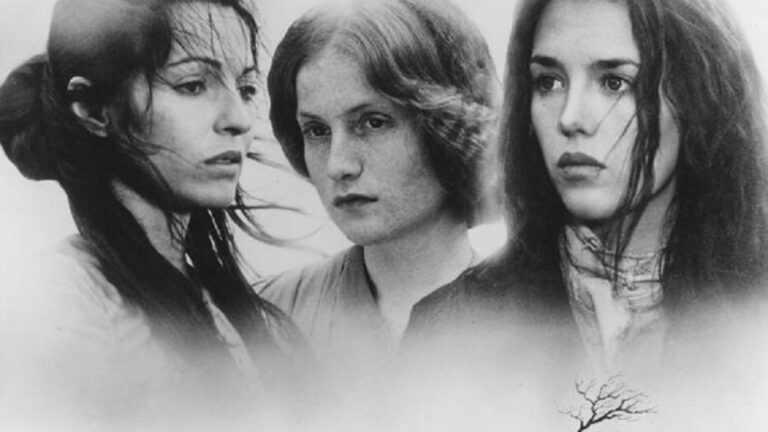
In recent years, adaptations of Wuthering Heights have proliferated across various media, from film to theatre, marking its enduring popularity. The latest adaptation, set to be released in 2023, promises to explore the emotional intricacies and societal pressures faced by the characters in a contemporary setting. Such adaptations not only introduce the classic novel to new audiences but also spark dialogues about its themes in today’s context, often drawing parallels with modern societal issues.
Conclusion
The significance of Wuthering Heights extends beyond its narrative; it remains a vital piece of cultural and literary heritage. Its exploration of love’s darker sides and the human condition continues to resonate with readers and artists alike. As we look towards new adaptations and analyses, Wuthering Heights stands as a testament to the power of literature to transcend time and speak to the core of human emotions.