Introduction
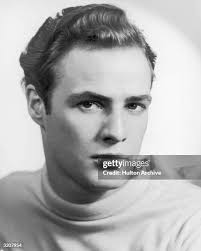
Marlon Brando, often regarded as one of the greatest actors in film history, revolutionised the art of acting in the 20th century. His methods and on-screen performances not only paved the way for modern acting techniques but also influenced generations of actors and filmmakers. With the 100th anniversary of his birth approaching in 2024, it is essential to reflect on his contributions and the relevance of his work in today’s cinematic landscape.
Brando’s Early Life and Career
Marlon Brando was born on April 3, 1924, in O’Fallon, Missouri. He faced many challenges in his early life, including strained family relationships and a passion for acting that led him to the prestigious Actors Studio in New York City. His breakthrough came in 1947 with the Broadway production of “A Streetcar Named Desire,” which set the stage for his film career.
Impact on Film and Acting
Brando’s portrayal of Stanley Kowalski in the movie adaptation of “A Streetcar Named Desire” in 1951 introduced audiences to a raw and emotionally complex approach to acting. His technique, often described as naturalism, emphasised authenticity and emotional truth, contrasting sharply with the stylised performances that predominated earlier Hollywood. This change helped usher in the era of Method Acting, influencing countless actors such as Robert De Niro, Al Pacino, and Leonardo DiCaprio.
Notable Achievements and Controversies
Brando’s illustrious career was marked by accolades, including two Academy Awards for Best Actor, for “On the Waterfront” (1954) and “The Godfather” (1972). However, his career was not without controversy. Brando famously refused to accept the Oscar for his role in “The Godfather” as a protest against Hollywood’s portrayal of Native Americans. This act of defiance highlighted issues of representation and brought awareness to social injustices.
Brando’s Lasting Influence
Today, Marlon Brando’s influence is still felt in contemporary cinema. His commitment to social issues, complex character portrayals, and dedication to his craft have left an indelible mark on the film industry. Additionally, the upcoming centenary celebrations of his birth are poised to revisit his legacy, with film retrospectives and tributes planned globally, reaffirming his status as a cultural icon.
Conclusion
As we commemorate Marlon Brando’s life and artistry, it is vital to acknowledge his revolutionary impact on acting and film. His ability to portray vulnerability and complexity has not only entertained audiences but also inspired new generations of actors striving for authenticity in their performances. Brando remains a pivotal figure in cinema, with his legacy continuing to shape the film industry and its approach to storytelling.