Introduction
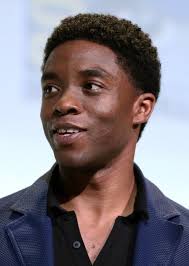
Chadwick Boseman, the American actor known for his riveting performances and significant cultural impact, is greatly missed following his untimely death in August 2020. His portrayal of iconic characters, particularly T’Challa in Marvel’s ‘Black Panther,’ has left an indelible mark on cinema and society. Boseman’s legacy is particularly relevant today as discussions around representation in Hollywood continue to evolve, highlighting the ongoing importance of his contributions.
Career and Impact
Boseman rose to fame through a variety of roles that showcased his extraordinary talent, including historical figures like Jackie Robinson in ’42’ and Thurgood Marshall in ‘Marshall.’ However, it was his role as T’Challa in ‘Black Panther’ that catapulted him to international stardom. The film, released in 2018, was both a critical and commercial success, breaking box office records and earning numerous accolades, including three Academy Awards. It celebrated African culture and opened discussions about race, identity, and representation in film, making a profound impact on audiences worldwide.
Continuing Influence and Commemoration
Since his passing, Boseman’s influence has only grown, with fans and advocates calling for continued representation of Black characters in film and media. In 2021, Marvel announced plans for a sequel to ‘Black Panther,’ titled ‘Black Panther: Wakanda Forever,’ aimed at honouring his legacy while exploring new narratives in the beloved franchise. The film is set to release later this year and promises to navigate the themes of loss and resilience, shaped by Boseman’s impactful performances.
Conclusion
The significance of Chadwick Boseman’s work is profound and enduring. His contributions to the film industry continue to inspire a new wave of actors and filmmakers, particularly from underrepresented backgrounds. As we await the release of ‘Wakanda Forever,’ it is evident that Boseman’s legacy lives on not just on screen, but in the hearts of millions who admired his courage and talent. He remains a symbol of hope and change, reminding audiences of the power of storytelling and representation in driving social progress.