Introduction
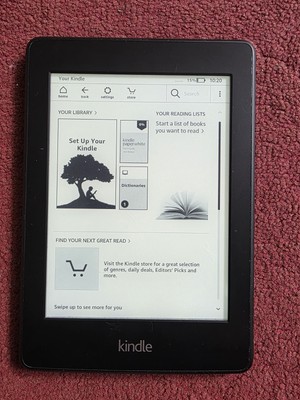
The Amazon Kindle has emerged as one of the most significant innovations in the reading world since the invention of the printed book. Launched in 2007, the Kindle has transformed the way millions of readers access and enjoy literature, offering a vast library of books at their fingertips. As digital technology continues to advance, the relevance of e-readers like the Kindle is more significant than ever, providing a convenient and portable alternative to traditional books in today’s fast-paced society.
The Rise of E-Readers
According to a 2023 survey by the Pew Research Center, nearly 30% of Americans now read eBooks, with the Kindle holding a substantial share of this market. The device’s accessibility, affordability, and immense library have made it a popular choice for both casual readers and serious bibliophiles. In recent years, Amazon has continually updated its Kindle line, releasing models such as the Kindle Paperwhite and the Kindle Oasis, featuring high-resolution screens, waterproof designs, and longer battery life.
The Impact on Reading Habits
As an electronic device emphasizing convenience, the Kindle has changed reading habits, particularly among younger generations who prefer digital media over printed texts. Research shows that e-readers encourage more frequent reading, with users reporting reading an average of 20% more books per year compared to non-e-reader users. Additionally, the Kindle allows readers to carry an entire library with them, making it easier to read on commutes, during travels, or even at home without the clutter of physical books.
The Accessibility Advantage
One of the most important benefits of the Kindle is its accessibility features. For readers with disabilities, the Kindle offers options such as adjustable font sizes, background colours, and the text-to-speech function, making it easier for everyone to enjoy literature. The device also includes features like Whispersync, allowing readers to switch between devices and pick up where they left off seamlessly, contributing to a more inclusive reading environment.
Conclusion
The Kindle has undoubtedly shaped modern reading, making literature more accessible and fostering a reading culture among diverse audiences. As technology continues to evolve, it is likely that we will see further advancements in e-reader capabilities that enhance the reading experience. While traditional books will always hold a cherished place in the hearts of readers, the Kindle and similar devices will play an integral role in shaping the future of reading. The forecast points towards an increasingly digital landscape where books are consumed in multifaceted ways, encouraging more people to engage with literature than ever before.