Introduction
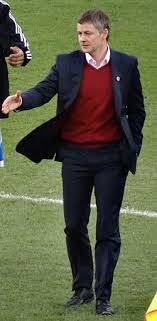
Ole Gunnar Solskjær’s name is synonymous with Manchester United, where he made a profound impact both as a player and, more recently, as a manager. After an illustrious playing career marked by crucial goals and stunning performances, Solskjær’s transition into coaching has been closely followed by fans and analysts alike. His methods, philosophies, and potential for success in the highly competitive world of football make his journey an important story in contemporary sports.
Recent Developments in Solskjær’s Coaching Career
After leading Manchester United as interim manager in late 2018 and later being appointed full-time in March 2019, Solskjær faced numerous challenges during his tenure. Despite a promising start, including a thrilling run to the UEFA Europa League final in 2021, mixed results on the pitch led to uncertainty regarding his future. In November 2021, following a string of disappointing performances, he parted ways with the club, marking the end of an era.
In the year since his departure, Solskjær has kept a relatively low profile but has been vocal about his desire to return to management. He expressed the importance of nurturing a team’s spirit and the relevance of attacking football, which he believes aligns with the identity of Manchester United. As clubs around Europe look to strengthen their squads and tactical approaches, Solskjær’s experience and insights are of great interest to many.
The Legacy of Solskjær in Football
Solskjær’s legacy stretches beyond tactics and team performances; it embodies the spirit of resilience and a strong connection with the fans. His famed goal in the 1999 UEFA Champions League final solidified his place in the hearts of supporters and is a symbol of United’s never-say-die attitude. His tenure as a manager was characterised by an attempt to recreate that legacy, aiming to blend youth development with experienced talent.
Furthermore, Solskjær’s engagement with the Manchester United community left an indelible mark, fostering a sense of unity among fans during challenging times. He promoted a culture of optimism, even as results fluctuated, endeared him further to supporters who appreciate the emotional aspect of football.
Conclusion
As Ole Gunnar Solskjær ponders his next steps in a highly unpredictable coaching landscape, his story remains an essential chapter in the ongoing narrative of football. With various clubs in search of dynamic leaders, Solskjær’s philosophy of attacking football and emphasis on building a cohesive team spirit are likely to resonate with those who seek his expertise. For fans and followers of the sport, watching where Solskjær lands next could provide valuable insights into the future of football management and the enduring legacy of one of its defining figures.