Introduction
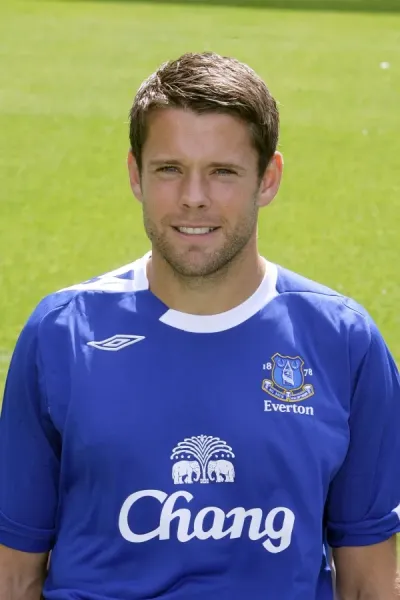
James Beattie is a name that resonates deeply within the world of English football. Known for his formidable presence on the pitch, Beattie made a significant impact during his playing career in the late 1990s and early 2000s. His journey through various clubs, including Southampton, Everton, and Stoke City, showcases the evolution of a talented athlete into a respected football coach. As the football landscape continues to evolve, understanding Beattie’s contributions is essential not only for fans of the sport but also for those interested in sports management and coaching.
Playing Career Highlights
Beattie began his professional career at Southampton, where he debuted in 1998. His skill as a forward quickly caught attention, and he became a prolific goal-scorer for the Saints. In the 2002-2003 season, he had his standout year, netting 23 goals and earning a call-up to the England national team. He represented England at international level, playing in crucial qualifiers and friendlies. His time at Southampton solidified his status as a promising player, which led to his transfer to Everton in 2005 for a reported fee of £6 million. Although he faced challenges at Everton, Beattie’s career continued with productive spells at clubs including Sheffield United and Stoke City, where he officially announced his retirement from professional football in 2011.
Transition to Coaching and Management
As with many former players, the transition to coaching came naturally for Beattie. After hanging up his boots, he initially took on youth coaching roles, where his focus was on nurturing the next generation of talent. In 2017, Beattie returned to Southampton in a coaching capacity, working with the club’s U-23 team. His experience and knowledge of the game have made him a valuable asset in player development. In recent years, he has expressed interest in broader managerial roles, aiming to bring his unique perspective to tactical development and team strategy.
Recent Developments and Future Prospects
In 2023, Beattie was linked with potential coaching roles at various clubs, as his expertise is increasingly sought after in lower leagues and in youth systems across the country. His understanding of the game, both as a former player and as a coach, positions him to make significant contributions to clubs looking to improve their performance. Speculation suggests that he may be a candidate for first-team management soon, with many in the industry recognising his potential to lead a team at a higher level.
Conclusion
The trajectory of James Beattie’s career provides insight into the journey of many professional athletes transitioning to coaching. As he continues to develop his skills and seek new challenges, fans of football can look forward to the potential impact he may have on the future of English football. With his rich experience as a former player and a dedicated approach to coaching, Beattie’s story exemplifies the importance of mentorship in the sport. As the football community watches his steps, many are left wondering what the next chapter holds for this former international football star.



