Introduction
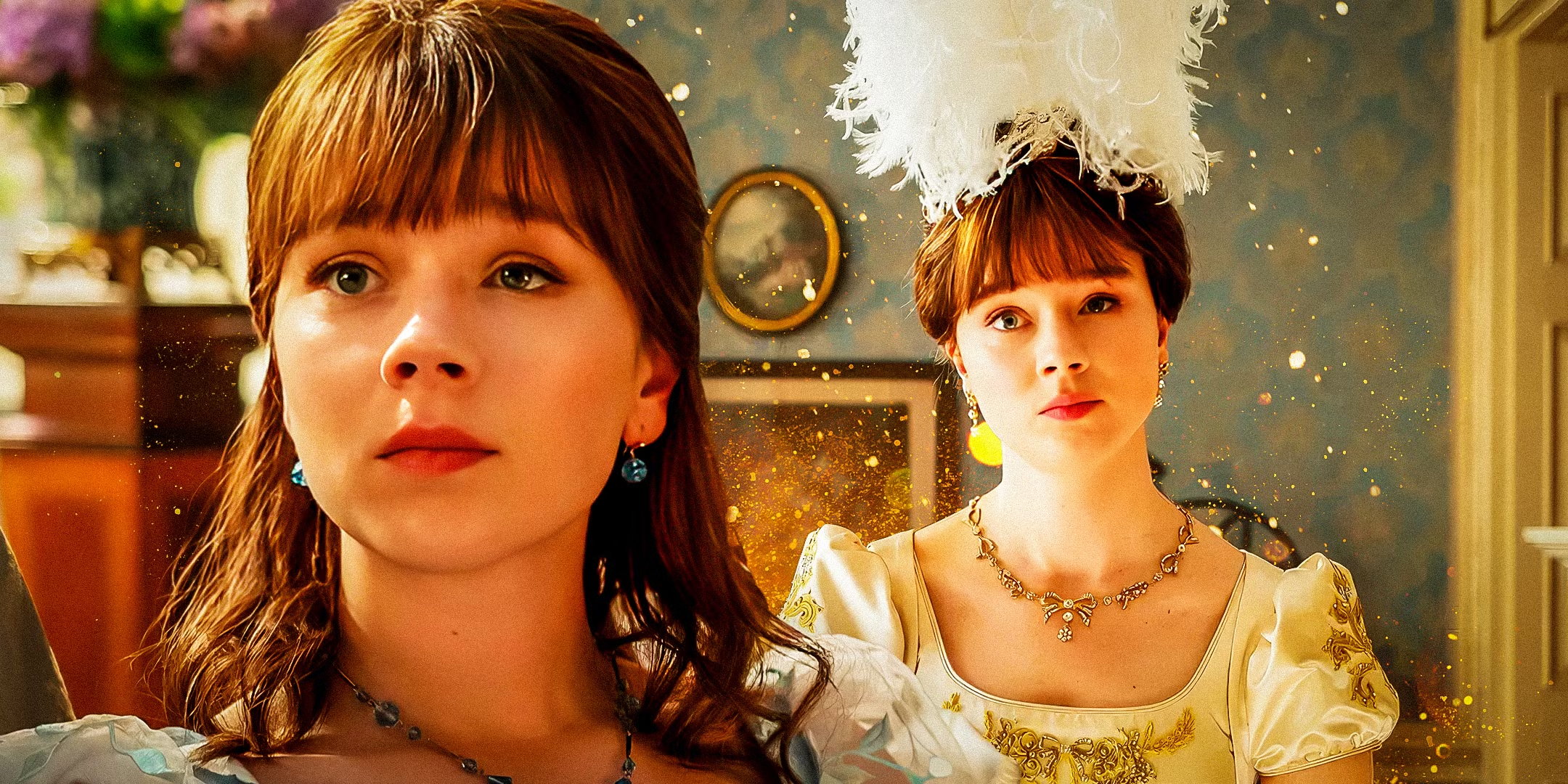
Eloise Bridgerton, a prominent character from Julia Quinn’s bestselling series, has become a crucial figure in the popular Netflix adaptation, “Bridgerton.” Known for her sharp wit and spirited independence, Eloise represents a departure from the traditional expectations imposed on women in Regency-era society. Her character resonates with contemporary debates surrounding feminism, making her a significant focal point in discussions about gender roles both in historical contexts and modern narratives.
Character Development
In the first season of “Bridgerton,” viewers are introduced to Eloise as the second eldest Bridgerton daughter, who is determined to forge her own path amidst societal pressures. The show, produced by Shondaland, effectively highlights Eloise’s struggles as she navigates the confines of the elite Regency ballrooms while seeking knowledge and independence.
In season two, Eloise’s character continues to evolve as she grapples with her identity and her desires outside the expectations of marriage and motherhood. Viewers witness her profound friendship with Penelope Featherington, who harbours her own secrets, further complicating Eloise’s journey. Their relationship serves as a poignant commentary on the bonds of friendship among women, particularly in the context of societal expectations.
Impact on Viewers
Eloise Bridgerton’s character has garnered a substantial fan base, especially among younger audiences who identify with her progressive ideals. Critics have praised her role for challenging the status quo, as she openly questions the limitations placed on women and expresses the desire for autonomy in her life decisions. This portrayal has sparked conversations about feminism and the importance of a woman’s right to choose her destiny, making Eloise not just a character in a period drama but a relevant figure in today’s world.
Conclusion
As the series progresses, Eloise Bridgerton’s character is expected to delve deeper into issues of self-identity, friendship, and rebellion against societal norms. With ongoing speculation about future seasons, audiences are eager to see how her journey unfolds, particularly in an era that prioritises empowerment and self-expression. Eloise’s voice resonates beyond the confines of the show, striking a chord with modern-day viewers who champion the complexities of womanhood. Her story is a reminder of the power of individuality and the importance of challenging societal expectations, making her a timeless character in literature and television alike.



