Introduction
Dion Dublin, a name synonymous with English football, holds a significant place in the history of the sport. His career spans over two decades, during which he played for several clubs in the Premier League, carved out a reputation as a solid forward, and transitioned into a beloved television personality. As the sports world continues to evolve, Dublin’s journey serves as an inspiring example for aspiring athletes and entertainers alike.
Football Career Highlights
Dublin began his professional career at Cambridge United in 1988, where his talents were quickly recognised. He then joined Manchester United in 1992, although he found his breakthrough years at clubs such as Coventry City and Aston Villa. While at Coventry, he became a fan favourite, contributing significantly to the team’s performance. His time at Aston Villa further solidified his status as a dependable striker, known for his aerial prowess and strong physical presence.
In total, Dublin made over 500 appearances across all competitions and scored over 150 goals in the Football League. He also had a brief period with the England national team, where he earned 4 caps and scored 1 goal. His playing style and versatility on the pitch are still remembered fondly by fans.
Dion Dublin’s Transition to Media
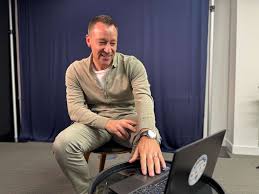
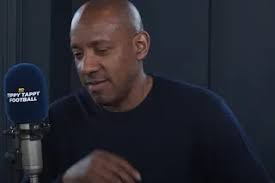
After retiring from professional football in 2008, Dublin successfully transitioned into a media personality. He became known for his insightful commentary and analysis during football matches, frequently appearing on BBC’s ‘Final Score’ and other football-related shows. His charm and enthusiasm, coupled with a wealth of experience in the sport, made him a popular figure among viewers.
In addition to his sports commentary, Dublin has ventured into other interests, including music and property development. He released a successful single and has pursued various business projects, showcasing his adaptability and ambition beyond the football pitch.
Conclusion
Dion Dublin’s career journey exemplifies the potential for athletes to reinvent themselves post-retirement. His successful transition from a professional footballer to a media figure and entrepreneur demonstrates the myriad opportunities available to those who are willing to adapt and explore their interests. As the world of sports continues to change, Dublin stands as a testament to how former players can remain relevant and influential, contributing to the sporting community in diverse ways. His story serves not only as inspiration for aspiring athletes but also as a reminder of the many paths life can take after athletics.