Introduction
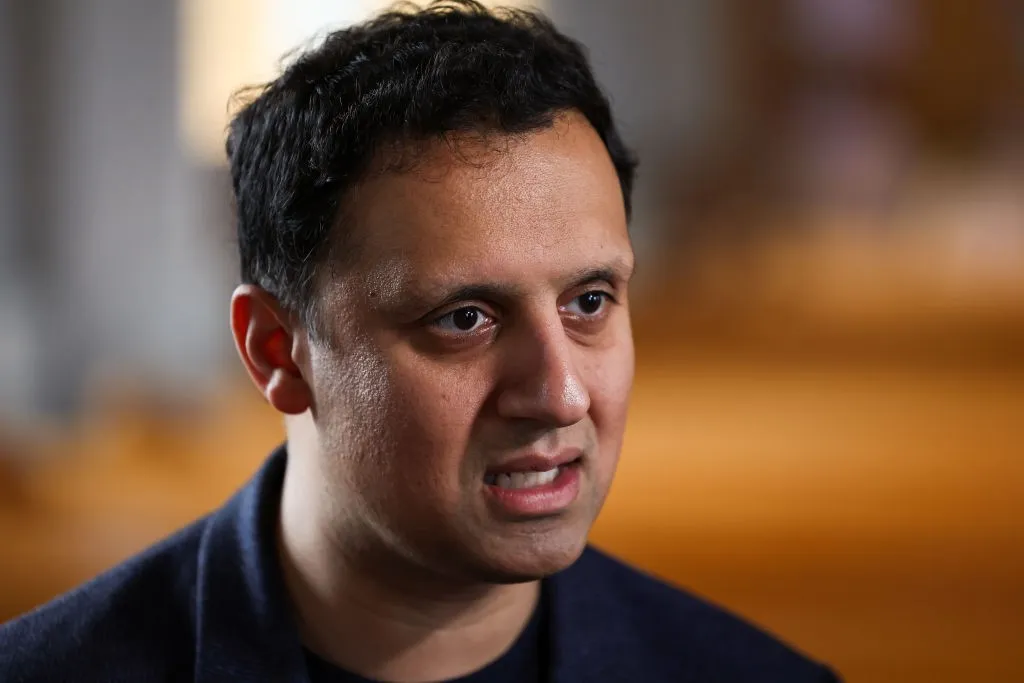
Anas Sarwar has emerged as a prominent figure in Scottish politics, serving as the leader of the Scottish Labour Party since April 2021. His leadership comes at a critical time for the party, which faces significant challenges in re-establishing itself as a key player in Scottish governance amid rising support for the Scottish National Party (SNP) and increasing public disillusionment with mainstream political parties. Understanding Sarwar’s approach and vision is essential as Scotland navigates its political landscape in the coming years.
Background and Political Rise
Anas Sarwar was born on April 24, 1983, in Glasgow, to Pakistani immigrant parents who established a successful family business in the city. He studied medicine at the University of Glasgow but decided to enter politics. Sarwar first became a Member of Parliament (MP) for Glasgow Central in 2010, succeeding his father, Mohammad Sarwar, who was the first Muslim MP in the UK. Anas Sarwar has since cultivated a reputation for being a hardworking and passionate advocate for the people he represents, focusing on issues such as health care, education, and social justice.
Leadership Challenges and Achievements
Since taking the helm of the Scottish Labour Party, Sarwar has been tasked with revitalising a party that has seen a decline in its electoral fortunes over the past decade. He has worked to reconnect with voters, reminding them of Labour’s historical legacy and its commitment to social equality and workers’ rights. Under his leadership, the party has begun to shift its strategy, focusing on grassroots engagement and addressing issues significantly affecting communities across Scotland, such as the cost-of-living crisis and public services.
Recent Developments
The most recent Scottish parliamentary by-elections have posed additional tests for Sarwar’s leadership as Labour aims to regain lost ground to the SNP. In a notable move, Sarwar has also called for a united front among opposition parties in tackling the SNP’s dominance and addressing urgent matters concerning Scottish society. Furthermore, Sarwar’s calls for a progressive tax system reflect his commitment to reducing inequality and supporting public services, resonating with many voters frustrated by the policies of the current government.
Conclusion
Anas Sarwar’s leadership represents a pivotal moment for the Scottish Labour Party as it seeks to redefine itself and appeal to a new generation of voters. The effectiveness of his strategy will be tested in upcoming elections and the party’s ability to galvanise support will be critical to its future. As Sarwar continues to advocate for change and challenge the political status quo in Scotland, his actions will carry significant implications not only for Labour but for the broader political landscape.