Introduction
The phenomenon of migration has become a significant global issue, affecting millions of lives worldwide. The importance of understanding the dynamics of migration is underlined by its impacts on economies, societies, and cultures. With ongoing conflicts, climate change, and economic disparities, increasing numbers of individuals are leaving their home countries in search of safety and better opportunities. This article explores the current situation of migrants, highlighting their challenges and contributions to society.
Current Trends in Migration
According to the United Nations, the estimated number of international migrants reached 281 million in 2020, a significant increase from previous years. As conflicts escalate in regions such as the Middle East and Africa and as environmental crises disrupt communities, more individuals are undertaking perilous journeys. For example, the ongoing humanitarian crisis in Ukraine has resulted in over 6 million refugees fleeing to various European countries, emphasizing the urgent need for robust support systems and policies.
Challenges Faced by Migrants
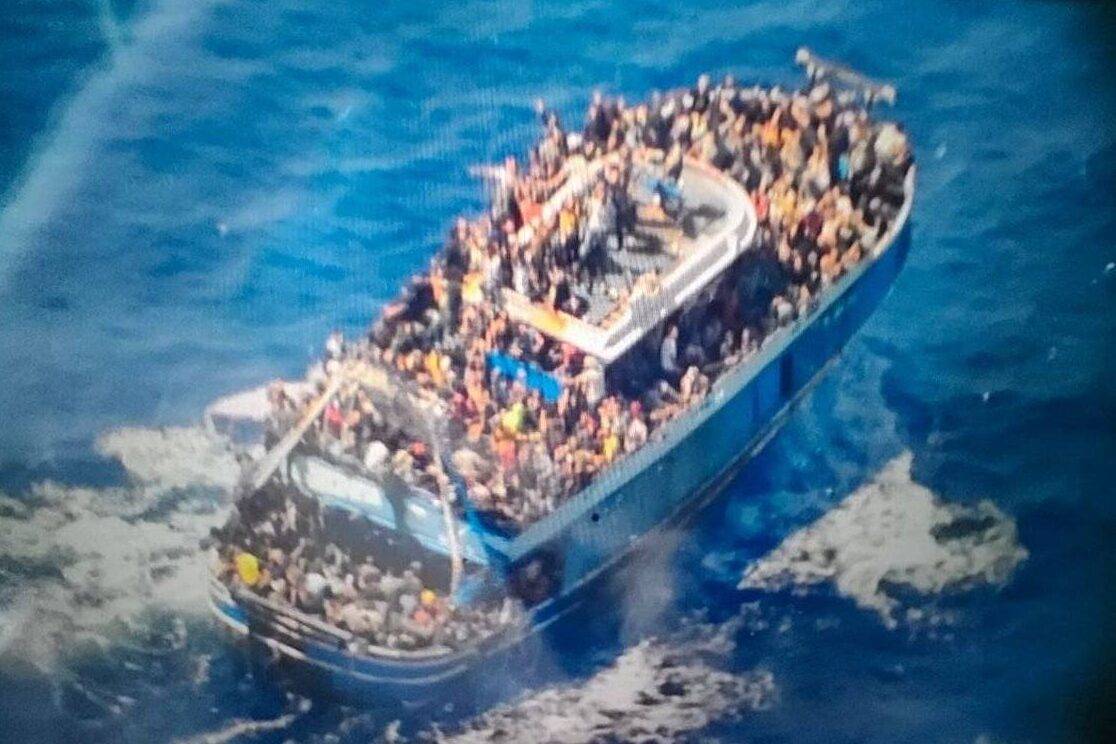
Migrants often encounter numerous challenges during their journeys. Many face dangerous conditions while crossing borders, and once they arrive at their destinations, they frequently encounter obstacles such as legal hurdles, discrimination, and limited access to essential services. For instance, the recent statistics from the International Organization for Migration (IOM) indicate that nearly 5,700 migrants died attempting to cross the Mediterranean Sea from 2021 to mid-2023, highlighting the deadly risks involved in migration.
Additionally, migrants often struggle to secure stable employment and housing. Many work in low-paid, informal jobs, leaving them vulnerable to exploitation and lacking access to healthcare and education. The COVID-19 pandemic further exacerbated these challenges, with many migrants losing their jobs and access to support networks in their new countries.
The Contributions of Migrants
Despite these challenges, migrants make essential contributions to their host countries. They often fill labour shortages in critical sectors such as healthcare, agriculture, and technology. In the UK, for example, a report from the Home Office highlighted that migrants account for a significant percentage of healthcare workers, which proved invaluable during the pandemic. Moreover, migrants also enrich the cultural fabric of society, bringing diverse perspectives and experiences that foster innovation and creativity.
Conclusion
The issue of migration remains one of the most pressing global challenges of our time, with profound implications for individuals and societies alike. Understanding the complexities surrounding migration, including the journeys, struggles, and contributions of migrants, is crucial for developing comprehensive policies that support human rights and economic stability. As we move forward, fostering dialogue and collaboration between nations will be essential in addressing the root causes of migration and ensuring a better future for all.