Introduction
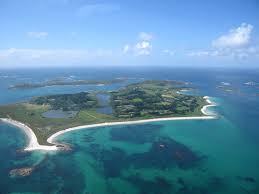
The Isles of Scilly, an archipelago located 28 miles off the southwestern tip of Cornwall, have long been recognised as one of Britain’s most picturesque and serene destinations. With their pristine beaches, rich biodiversity, and historic sites, the islands have become increasingly popular among both domestic and international tourists. The significance of these islands is underscored by their unique geography, cultural heritage, and the pressing challenges they face from climate change and tourism management.
Overview of the Isles of Scilly
The Isles of Scilly consist of five inhabited islands: St Mary’s, Tresco, St Martin’s, Bryher, and Hugh Town. Each island offers something different to visitors, from the famous Abbey Gardens on Tresco, which houses a vast collection of exotic plants, to the breathtaking sandy beaches of St Martin’s. The islands are renowned for their mild climate, making them an idyllic getaway year-round for those seeking a retreat from the hustle and bustle of mainland life.
Recent Developments
In recent years, the Isles of Scilly have faced significant challenges, including the impacts of climate change, which threaten their delicate ecosystems. Rising sea levels and extreme weather events pose risks to the islands’ infrastructure and tourism-dependent economy. Local authorities are actively engaging in sustainable development practices and have initiated projects aimed at preserving the islands’ natural beauty and enhancing resilience against environmental changes.
Moreover, the Isles of Scilly have experienced a surge in tourism post-pandemic as travel constraints ease and people seek less populated holiday destinations. Recent reports indicate a 30% increase in visitor numbers during the summer of 2023, putting pressure on local resources yet also providing economic benefits to the community.
Concluding Thoughts
As the Isles of Scilly continue to attract visitors with their stunning landscapes and unique charm, it remains crucial for local authorities and residents to balance tourism benefits with environmental conservation. Sustainable tourism strategies will play a significant role in ensuring the archipelago remains an unspoiled paradise for future generations. Looking ahead, the future of the Isles of Scilly depends on thoughtful management and the unwavering commitment of its community to protect their cherished home amidst evolving global challenges.