Introduction
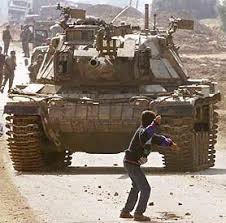
The term ‘Intifada’ is crucial to understanding the Israeli-Palestinian conflict. It refers to the Palestinian uprisings against Israeli occupation, with significant implications for both societies and international relations. The first Intifada, beginning in 1987, and the second, starting in 2000, highlighted deep-rooted grievances and shaped the narrative around the struggle for Palestinian statehood.
The First Intifada (1987-1993)
The First Intifada emerged spontaneously, marked by widespread protests, civil disobedience, and violent confrontations. It was sparked by numerous factors, including the economic hardship faced by Palestinians and frustration over the ongoing occupation. The uprising received global attention, leading to increased awareness of Palestinian issues and, subsequently, the Oslo Accords in 1993 that aimed at establishing peace between Israelis and Palestinians.
The Second Intifada (2000-2005)
The Second Intifada was instigated by a visit from then Israeli opposition leader Ariel Sharon to the Temple Mount, a site of significant religious importance. The ensuing violence resulted in a massive escalation of hostilities, leading to thousands of casualties on both sides. This uprising differed from the first, being marked by more organised militancy and greater military responses from Israel, highlighting the complexity of negotiating peace and the widening gap in mutual trust.
Recent Developments and Current Relevance
As of October 2023, tensions in the region remain high, with periodic outbreaks of violence and ongoing disputes over territory, resources, and rights. Understandably, the Intifada’s legacy continues to influence the political landscape in Israel and Palestine. Recent protests and calls for a renewed struggle reflect ongoing dissatisfaction with the status quo and the failure to achieve lasting peace.
Conclusion
The Intifada has left an indelible mark on the Israeli-Palestinian conflict, representing not just a series of uprisings but a cry for rights, recognition, and justice. As we look to the future, the lessons from the Intifadas serve as a reminder of the urgent need for dialogue and resolution. Understanding the complexities behind these events is crucial for advocates of peace, policy-makers, and those interested in the intricate dynamics of Middle Eastern politics.



