Introduction
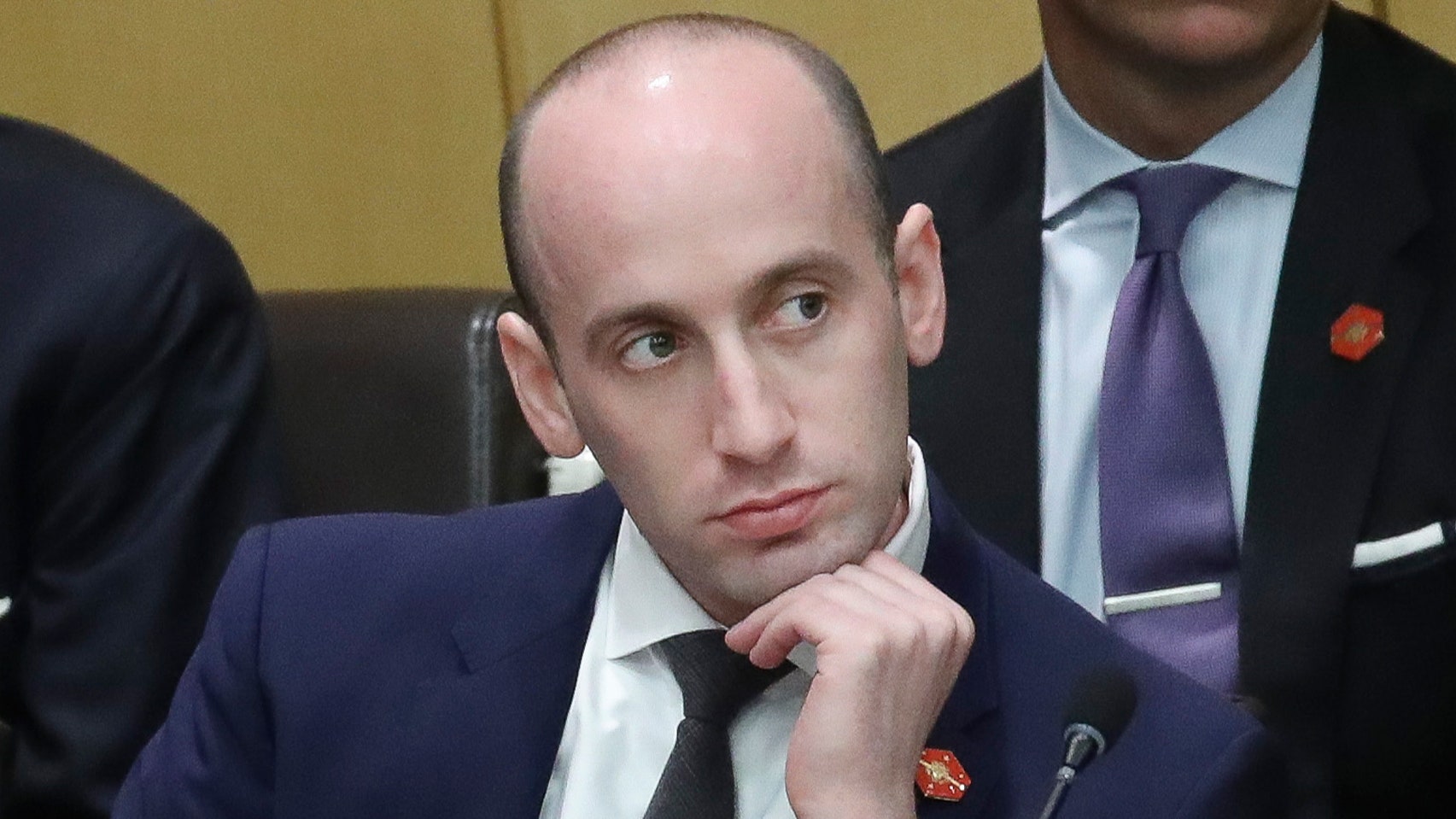
Stephen Miller, a prominent figure in American politics, particularly during the Trump administration, has played a pivotal role in shaping U.S. immigration policies. As a Senior Advisor to the President, Miller was instrumental in implementing some of the most controversial immigration reforms that would define the discourse around this issue in modern times. Understanding Miller’s influence is essential in comprehending the current immigration landscape in the United States.
Miller’s Role in the Trump Administration
Stephen Miller was appointed as Senior Advisor to President Donald Trump in 2016, having previously worked for Senator Jeff Sessions and as a communications aide in various capacities. His hardline stance on immigration resonated with Trump’s political agenda and became a cornerstone of the administration’s policies. One of his most notable contributions was the push for the travel ban on several predominantly Muslim countries, which triggered widespread protests and legal challenges.
Under Miller’s guidance, the Trump administration also sought to curtail legal immigration through measures such as the reduction of refugee admissions and the implementation of the ‘zero tolerance’ policy that led to family separations at the southern border. In 2019, he played a crucial role in the introduction of the ‘merit-based’ immigration system, attempting to shift focus towards high-skilled immigrants, which was seen by critics as an attempt to further limit entry for low-skilled workers.
Public Perception and Controversies
Miller’s hardline immigration agenda has made him a polarising figure. Advocates for immigrant rights have condemned his policies, arguing they promote xenophobia and are harmful to communities across the United States. Furthermore, leaked emails in 2020 revealed that Miller was linked to white nationalist sources, leading to increased scrutiny over his influence and ideology.
Despite the criticism, Miller remains steadfast in his beliefs, often citing concerns about national security and economic stability as rationales for his policies. His continued presence in political circles hints at his lasting influence on the Republican party’s stance on immigration going forward.
Conclusion
The influence of Stephen Miller on U.S. immigration policy is undeniable. His ideas and initiatives have sparked significant debate, reflecting deeper societal attitudes towards immigration. As the Biden administration seeks to reverse or modify some of the policies set in place, Miller’s legacy will likely continue to impact the discourse surrounding immigration in the United States. Looking ahead, the interplay between hardline and reformist approaches to immigration will remain a key issue in American politics, with Miller’s strategies likely serving as a reference for many policymakers.